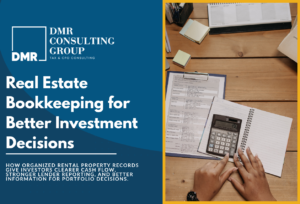

You probably already know you can deduct mortgage interest and property taxes. While those are important, they are just the tip of the iceberg. The real financial gains come from the strategies that separate casual investors from the pros. We’re talking about advanced real estate tax techniques like cost segregation studies to accelerate depreciation, qualifying for Real Estate Professional Status to deduct unlimited losses, and using 1031 exchanges to defer capital gains indefinitely. Mastering these powerful tools is what allows you to build significant wealth. This guide moves beyond the basics to show you exactly how to leverage them.
Key Takeaways
- Master your deductions by thinking like a business owner: Systematically track and write off all operational costs, including mortgage interest, property taxes, and repairs, while using depreciation to lower your taxable income without impacting your cash flow.
- Grow your portfolio faster with advanced tax strategies: Use a 1031 exchange to defer capital gains taxes when you sell, allowing you to reinvest the full proceeds, and consider a cost segregation study to accelerate depreciation for greater upfront savings.
- Build a strong foundation with the right structure and records: Form a business entity like an LLC to protect your personal assets, and maintain detailed, organized records for every expense to defend your deductions and make tax season stress-free.
Understanding the Basics of Real Estate Tax
Before we get into the high-level strategies, it’s essential to have a firm grip on the fundamentals of real estate tax. Think of it as the foundation of your investment property. A shaky foundation can cause problems down the line, but a solid one supports long-term growth. Real estate taxes are a significant and recurring expense for any investor, so understanding how they work is the first step toward managing them effectively. This isn’t just about paying a bill; it’s about knowing what you’re paying for, why the amount can change, and what you can do about it. Let’s walk through the core concepts so you can approach your tax obligations with confidence.
What is Real Estate Tax and What Does It Fund?
Real estate tax, often used interchangeably with real property tax, is a levy on your investment properties that you pay to state and local governments. It’s a cost of ownership you can’t avoid, but you can certainly manage it. The money collected from these taxes is the lifeblood of local communities. It pays for essential public services that also happen to make your investment properties more attractive to tenants, like well-maintained roads, public schools, and the salaries of police officers and firefighters. So, while it’s an expense on your balance sheet, it’s also an investment in the infrastructure that supports your property’s value.
Real Estate vs. Personal Property: What’s Taxed?
It’s important to distinguish between real estate and personal property, as they are taxed differently. Real estate tax applies specifically to land and anything permanently attached to it, like your rental house, an apartment building, or a commercial structure. Property tax is a wider term that can also include personal property—think of things that are movable, like equipment or vehicles. As a real estate investor, your primary focus will be on the taxes for your land and buildings, but knowing the difference is key, especially if you own properties with unique features or business assets on-site.
Defining Real Estate for Tax Purposes
So what exactly does the government consider “real estate”? For tax purposes, it’s pretty straightforward. The definition covers the land itself and any buildings or structures on it. It also includes anything that is permanently attached to the property, such as a deck, an in-ground pool, or a fence. This is why a major renovation or addition can trigger a reassessment of your property’s value and, consequently, a change in your tax bill. Understanding this definition helps you anticipate how property improvements might affect your ongoing expenses.
How Mobile Homes Are Categorized
Mobile homes can be a bit of a gray area and are a great example of why these definitions matter. Their tax classification often depends on their use and location. If a mobile home serves as a primary residence and sits on a permanent foundation on land that you own, it’s typically taxed as real estate, just like a traditional house. However, if it’s a second home or an investment property located on land that you rent, it may be classified and taxed as personal property instead. This distinction can impact your tax liability, so it’s a detail worth noting if you invest in this type of property.
How Local Governments Calculate Your Tax Bill
Your real estate tax bill isn’t an arbitrary number. It’s the result of a specific calculation performed by your local government. Understanding this formula is the first step toward identifying opportunities to lower your tax burden. The process involves two key components: the assessed value of your property and the local tax rate, or millage rate. While you have little control over the tax rate set by your municipality, you do have the right to challenge the assessed value of your property. This is where savvy investors can find significant savings, but it all starts with knowing how the numbers come together.
The Property Assessment and Tax Rate Formula
The math behind your tax bill is simple: your property’s assessed value is multiplied by the local tax rate. For example, the City of Philadelphia notes its Real Estate Tax rate is 1.3998% of a property’s assessed value. A local government body, often called the Office of Property Assessment, determines your property’s value. This assessment isn’t necessarily the same as the market value or what you paid for it. It’s the value the municipality places on your property for tax purposes. Getting a handle on your property’s official assessment is a critical piece of managing your investment finances.
Understanding Billing Cycles and Payment Options
Real estate tax bills are typically mailed out annually, often in the middle of the year. It’s crucial to know your local billing cycle to avoid missing a payment. Many investors have their mortgage lender manage tax payments through an escrow account. In this arrangement, a portion of your monthly mortgage payment is set aside for taxes, and the lender pays the bill on your behalf when it’s due. If you pay taxes directly, be sure to mark the due dates on your calendar. Staying organized is key to avoiding late fees and keeping your accounts in good standing.
Navigating Deadlines, Penalties, and Discounts
Meeting tax deadlines is non-negotiable for a real estate investor. Missing them can lead to a cascade of financial consequences, from steep penalties and mounting interest to, in the worst-case scenario, a lien on your property. On the flip side, staying ahead of the game can sometimes lead to savings. Some jurisdictions reward proactive property owners with discounts for early payments. Managing these dates and payments effectively across one or multiple properties requires a sharp eye for detail and a proactive approach. It’s a part of the business where being organized directly protects your bottom line.
Key Due Dates and Late Payment Consequences
Every jurisdiction has its own set of tax deadlines, and as a property owner, it’s your responsibility to know them. Missing a due date, like the March 31st deadline in some cities, immediately triggers additional charges. These aren’t small fees; they are often calculated as a percentage of your tax bill and can accumulate quickly. For an investor with multiple properties, these penalties can add up to a significant and completely avoidable expense. Setting up calendar reminders or automating payments is a simple but effective way to protect your cash flow from these unnecessary costs.
Understanding Interest and Penalties
When you miss a tax payment deadline, you’re typically hit with both an initial penalty and ongoing interest charges. For instance, some counties charge a 2% interest fee for the first month of delinquency, followed by an additional 0.75% each month thereafter until the bill is paid. This structure is designed to strongly discourage late payments. These charges can turn a manageable tax bill into a financial burden, eating directly into your investment returns. This is why meticulous record-keeping and cash flow management are so vital to your success.
The Risk of a Tax Lien
If real estate taxes remain unpaid, the local government can place a tax lien on your property. A lien is a legal claim against your property for the amount of the unpaid debt. It acts as a major red flag to lenders and potential buyers, making it difficult to sell or refinance until the debt is settled. In most places, a lien is automatically placed on the property at the start of the tax year and remains until all taxes and fees are paid in full. It’s one of the most serious consequences of tax delinquency and can jeopardize your entire investment.
How to Save with Early Payment Discounts
Now for some good news: you can sometimes save money just by paying your taxes early. Many municipalities offer a small discount as an incentive for early payment. For example, some states provide a 2.5% discount if you pay your first-half taxes before the fall deadline. While a couple of percentage points might not seem like much, these savings add up, especially across a portfolio of properties. It’s always worth checking your local tax authority’s website or contacting them directly to see if they offer an early payment discount. It’s a simple strategy to reduce your operating expenses.
Challenging Your Property Assessment: The Appeal Process
One of the most powerful tools you have for managing your tax liability is the right to appeal your property’s assessed value. If you believe the government has overvalued your property, you can formally challenge the assessment. A successful appeal can result in a lower assessed value, which directly translates to a lower tax bill for that year and potentially for years to come. This process requires preparation, evidence, and a clear understanding of the deadlines, but the potential return on your effort can be substantial. It’s a proactive step that many seasoned investors use to optimize their expenses.
How Your Property’s Value is Assessed
To effectively challenge an assessment, you first need to understand how it’s determined. Local tax appraisers are responsible for valuing your property. This process can involve a physical visit to your property to verify its features, measure any new construction, and take photos. They also analyze data on comparable properties in the area. However, assessors are human, and they manage huge portfolios of properties, so errors can happen. They might have incorrect information about your property’s size or condition, or they may use outdated sales data, leading to an inaccurate valuation.
When and How to Appeal Your Property’s Assessed Value
If you suspect your property’s assessment is too high, you need to act quickly. There is a strict window for filing an appeal—in some areas, the deadline is as early as the first Monday in October for the following tax year. The process typically involves submitting a formal application along with evidence to support your claim. This evidence could include a recent independent appraisal, photos of your property’s condition, or data on recent sales of comparable, lower-valued properties. Navigating the tax appeal process can be complex, and having an expert team on your side can make all the difference in building a winning case.
How Can Real Estate Investing Lower Your Tax Bill?
One of the biggest draws of real estate investing is its unique set of tax advantages. Unlike other investments, the tax code offers property owners several ways to lower their taxable income, which means you get to keep more of your hard-earned money. These aren’t complicated loopholes, but rather established benefits designed to encourage investment. By understanding and using them correctly, you can significantly improve your cash flow and the overall return on your properties.
The key is to think of your real estate portfolio as a business. And just like any business, it has expenses that can be written off. The four main tax benefits every investor should know are deductions for mortgage interest, property taxes, and operating expenses, plus the powerful tool of depreciation. Each one works a little differently, but they all lead to the same goal: reducing your tax bill. A solid tax strategy is built on these foundational principles, allowing you to build wealth more efficiently. Let’s walk through exactly how each one works.
Yes, You Can Deduct Mortgage Interest
For most investors, a mortgage is the largest expense associated with a rental property. The good news is that the interest you pay on that loan is fully deductible. Every month, a portion of your mortgage payment goes toward interest, and you can subtract that entire amount from your rental income for the year. This directly reduces your taxable income, which can make a huge difference, especially in the early years of a loan when interest payments are highest. Think of it this way: if you earn $20,000 in rent and pay $8,000 in mortgage interest, you’re only taxed on $12,000 of that income, not the full amount.
Writing Off Your Property Taxes
Property taxes are another unavoidable cost of owning real estate, but thankfully, they are also a deductible expense. You can write off the state and local property taxes you pay for each of your investment properties every year. This is a straightforward deduction that helps lower your overall tax liability. Just like with mortgage interest, this deduction reduces your net rental income, meaning less of your profit is subject to taxes. It’s a simple but effective way to offset one of the most significant carrying costs of your investment, ensuring your returns aren’t unnecessarily eaten up by taxes.
Don’t Forget to Claim Operating Expenses
Running a rental property comes with a long list of costs, and nearly all of them are deductible. The IRS allows you to deduct any expense that is considered “ordinary and necessary” for managing your properties. This includes a wide range of costs like property management fees, insurance premiums, maintenance and repairs, advertising for tenants, and even travel expenses for visiting your properties. Keeping meticulous track of these expenses is crucial. By maintaining clear records, you can ensure you’re claiming every available deduction, which is where professional accounting and CPA services become invaluable for investors.
Using Depreciation to Your Advantage
Depreciation is one of the most powerful tax benefits in real estate, yet it’s often misunderstood. It’s a “paper” deduction, meaning you can claim it without actually spending any money. The IRS allows you to deduct a portion of your property’s cost basis each year to account for wear and tear. This lowers your taxable income, even if your property is appreciating in value. For even greater savings, you can use a cost segregation study to accelerate depreciation on certain parts of the property, like appliances and fixtures. This strategy can free up significant cash flow that you can reinvest back into your portfolio.
How Depreciation Reduces Your Real Estate Tax Bill
Depreciation is one of the most powerful tax benefits available to real estate investors, yet it’s often misunderstood. Think of it as a “paper loss” that the IRS allows you to claim for the wear and tear on your property over time. Even if your property is appreciating in value and generating positive cash flow, you can still claim this deduction. The best part? It’s a non-cash expense, meaning you don’t actually have to spend any money to claim it.
This deduction directly reduces your taxable rental income, which can significantly lower your annual tax bill and free up cash for your next investment. While the concept is straightforward, the rules can be complex. Properly calculating and claiming depreciation is essential for maximizing your returns and staying compliant. Understanding how it works, from the basic calculation to more advanced strategies like cost segregation, is a critical step in building a tax-efficient real estate portfolio. Our team of experienced real estate investors can help you put these strategies into practice.
First Off, What Is Depreciation?
At its core, depreciation is a tax deduction that allows you to recover the cost of an income-producing property over its useful life. The IRS recognizes that buildings, like any other asset, wear out or become obsolete over time. To account for this, they let you deduct a portion of the property’s cost from your rental income each year. This is a huge advantage because it lowers your taxable income without affecting your actual cash flow. It’s important to remember that you can only depreciate the structure itself, not the land it sits on, as land is not considered to have a finite useful life.
How to Calculate Your Annual Depreciation
The IRS has set specific timelines for depreciating real estate. For residential rental properties, the depreciation schedule is 27.5 years. For commercial properties, it’s 39 years. To calculate your annual deduction, you first need to determine the property’s cost basis, which is generally the purchase price minus the value of the land. For example, if you buy a residential rental for $350,000 and the land is valued at $75,000, your depreciable basis is $275,000. You would then divide that by 27.5 years to get an annual depreciation deduction of $10,000. Getting this calculation right is key to effective tax planning.
Speed Up Depreciation with a Cost Segregation Study
If you want to get larger depreciation deductions sooner, you can use a strategy called cost segregation. This involves a detailed study of your property to identify assets that can be depreciated over shorter periods, like 5, 7, or 15 years, instead of the standard 27.5 or 39 years. These assets can include things like carpeting, appliances, light fixtures, and even landscaping. By reclassifying these components, you can significantly accelerate your depreciation expenses into the early years of owning the property. This front-loads your tax savings, improving your cash flow and providing capital you can reinvest right away.
A Quick Guide to Depreciation Recapture
Depreciation offers a fantastic benefit while you own a property, but there’s a catch when you sell: depreciation recapture. The IRS requires you to pay taxes on the total amount of depreciation you claimed over the years. This amount is taxed as ordinary income, capped at a rate of 25%, which can result in a surprisingly large tax bill if you’re not prepared. It’s essentially the IRS’s way of “recapturing” the tax benefits you received. However, savvy investors can defer this tax by using a strategy like a 1031 exchange, which allows you to roll the proceeds from the sale into a new, like-kind property.
Deferring Capital Gains with a 1031 Exchange
If you’re looking for a powerful way to grow your real estate portfolio, the 1031 exchange is a strategy you need to know. Named after Section 1031 of the U.S. Internal Revenue Code, this tool lets you sell an investment property and roll the entire sale proceeds into a new one without paying capital gains taxes right away. Think of it as hitting the pause button on your tax bill. Instead of giving a chunk of your profit to the IRS, you can reinvest that money, allowing you to acquire a larger property, diversify your holdings, or move into a new market.
This tax deferral is a game-changer for building wealth. It keeps your capital working for you, compounding over time as you move from one investment to the next. The key is that you must swap one investment property for another “like-kind” property, and you must follow a strict set of rules to the letter. While the process can seem complex, the benefits are significant. Properly executing a 1031 exchange requires careful planning and a solid understanding of the process, which is why many savvy investors work with a team of professionals. Our tax services can help you make sure every step is handled correctly, protecting your assets and maximizing your growth potential.
The 1031 Exchange Rules You Can’t Ignore
The 1031 exchange comes with a very strict, non-negotiable timeline. Once you sell your original property (the “relinquished” property), the clock starts ticking. First, you have exactly 45 days to identify potential replacement properties in writing. You can identify up to three properties of any value or more under different specific rules. After the 45-day identification period, you have a total of 180 days from the date of the original sale to close on the purchase of one or more of the identified properties. These deadlines run concurrently, so your total window is 180 days. Missing either of these deadlines will disqualify the entire exchange, triggering a taxable event.
What Exactly Is a “Like-Kind” Property?
The term “like-kind” can be a bit misleading. It doesn’t mean you have to exchange a single-family rental for another single-family rental. Instead, “like-kind” refers to the nature or character of the property, not its grade or quality. Both the property you sell and the one you buy must be held for productive use in a trade, business, or for investment. This gives you a lot of flexibility. For example, you could exchange an apartment building for raw land, a retail space for a portfolio of rental homes, or a commercial office for an industrial warehouse. The one major rule is that you cannot exchange a primary residence for an investment property.
Why You Need a Qualified Intermediary
You cannot personally hold the cash from the sale of your property during a 1031 exchange. If you take possession of the funds, even for a moment, the IRS considers it a sale, and the transaction becomes taxable. To avoid this, you must work with a Qualified Intermediary (QI). A QI is an independent third party who facilitates the exchange by holding your funds in escrow after you sell your property. They then use that money to purchase your replacement property on your behalf. Choosing a reputable QI is essential for a successful exchange and is a key part of the strategic financial planning we offer through our CFO services.
Common 1031 Exchange Mistakes to Avoid
While a 1031 exchange is a fantastic tool, a few common missteps can easily derail the process and create a tax nightmare. The most frequent errors include failing to identify replacement properties within the 45-day window and not closing on a new property within the 180-day timeline. Another major mistake is not using a Qualified Intermediary or choosing the wrong one. Finally, investors often misunderstand what qualifies as “like-kind” property or fail to account for “boot,” which is any extra cash or non-like-kind property you receive in the deal that is taxable. Careful planning with an expert can help you avoid these pitfalls.
Which Real Estate Expenses Are Tax-Deductible?
One of the biggest perks of real estate investing is the ability to deduct expenses related to your rental properties. Nearly every dollar you spend to operate and maintain your investment can lower your taxable income, which means more money stays in your pocket. Think of it this way: the IRS allows you to subtract the costs of doing business from your rental income before calculating what you owe. This is a huge advantage over other types of investments, but it requires a shift in mindset. You’re not just a homeowner; you’re a business owner. Every expense, from a tube of caulk to a property manager’s fee, is a potential write-off.
The key is knowing exactly what you can claim and keeping excellent records to back it all up. Diligent tracking is what separates successful, tax-efficient investors from those who leave money on the table every year. It’s not about finding loopholes; it’s about understanding the rules and applying them correctly to your business. To help you get started, let’s walk through some of the most common and impactful deductions you can claim as a real estate investor. Focusing on these categories will help you build a solid foundation for your expense tracking system and ensure you’re not missing out on valuable savings.
Deducting Property Management and Maintenance
Keeping your property in great shape isn’t just good for attracting and retaining tenants; it’s also good for your tax bill. The costs associated with managing and maintaining your rental are fully deductible. This includes the fees you pay to a property management company to handle the day-to-day operations. It also covers routine repairs like fixing a leaky pipe, replacing a broken window, or patching drywall. Even expenses for landscaping, pest control, and cleaning services between tenants can be written off. These deductions help offset the ongoing costs of property ownership, making it more affordable to keep your investment in top condition and your tenants happy.
Writing Off Legal and Professional Fees
You don’t have to be an expert in everything to be a successful real estate investor. The fees you pay for professional help are considered operating expenses and are tax-deductible. This is where having a solid team comes in handy. You can write off legal fees for things like drafting leases or handling evictions. The cost of hiring a real estate agent to find qualified tenants is also deductible. Most importantly, the money you spend on expert accounting and CPA services to manage your books and prepare your taxes is a write-off. These services not only save you time but also ensure you’re maximizing your returns and staying compliant with tax laws.
Can You Claim Travel and Transportation Costs?
Do you drive to your rental property to meet with tenants, oversee repairs, or collect rent? Those miles can add up to a valuable deduction. The IRS allows you to deduct transportation expenses that are ordinary and necessary for your rental business. You can do this in one of two ways: by using the standard mileage rate or by tracking your actual car expenses, like gas, oil, and repairs. Whichever method you choose, keeping detailed records is non-negotiable. The IRS often looks closely at travel deductions, so maintain a mileage log that shows the date, purpose, and miles for each trip. This simple habit can turn your car into a tool for tax savings.
Insurance, Utilities, and Repairs Are Deductible, Too
Several other essential costs of owning a rental property are also on the list of deductions. Insurance premiums for policies like landlord, fire, flood, and theft are fully deductible. If your rental agreement requires you to pay for any utilities, such as water, gas, or trash collection, you can write those off too. And while we’ve mentioned repairs, it’s worth repeating: the cost to fix things and keep your property in good working order is a current-year expense you can deduct. Just remember to distinguish these from improvements, which are capitalized and depreciated over time. The IRS provides clear guidance on the difference between repairs and improvements.
Do You Qualify as a Real Estate Professional?
For many serious investors, achieving Real Estate Professional Status (REPS) is a major tax planning goal. Why? Because it allows you to bypass the passive activity loss limitations. This means you can deduct your rental property losses against your other income, like your salary from a W-2 job, which can result in significant tax savings. However, the IRS has strict rules for this designation. It’s not for the casual investor. You have to prove that real estate isn’t just a side hustle but a primary professional focus. Let’s break down the four key tests you’ll need to pass.
Understanding the 750-Hour Rule
This is the first and most well-known hurdle. To qualify, you must satisfy a two-part test each year. First, you must spend a minimum of 750 hours working in real estate trades or businesses. This can include activities like property development, construction, acquisition, management, leasing, and brokerage. Second, the time you spend on these real estate activities must be more than half of your total working hours from all your jobs combined. If you have a demanding full-time career outside of real estate, this second part can be challenging to meet. The good news for married couples is that only one spouse needs to meet both tests. Navigating these rules can be complex, so working with a professional on your tax services is a smart move.
What Does “Material Participation” Mean?
Clearing the 750-hour rule gets you in the door, but there’s another layer: material participation. To deduct losses from your rental properties, you must prove you materially participated in those activities. This means your involvement is regular, continuous, and substantial. In other words, you can’t be a passive investor who simply hires a property manager and cashes the checks. The IRS provides several ways to prove material participation, but a common path is to show you spent more than 100 hours on the activity and that no other individual spent more time than you. This includes hands-on tasks like screening tenants, authorizing repairs, and making key operational decisions.
Proving Real Estate Is Your Main Gig
This requirement circles back to the second half of the 750-hour rule. You must demonstrate that you spend more time on real estate than on any other profession. If you work 2,000 hours a year at your day job, you would need to log over 2,000 hours in your real estate business to qualify. This is why the IRS implemented this rule: to ensure that this powerful tax benefit is reserved for true real estate professionals, not just high-income earners looking for a tax shelter. This is also why REPS is often pursued by investors who have made real estate their full-time career or by a spouse who can dedicate their time primarily to the real estate portfolio.
Why Meticulous Records Are Non-Negotiable
If you claim Real Estate Professional Status, you should expect the IRS to take a close look. Your best defense is a detailed, contemporaneous log of your time. You can’t simply estimate your hours at the end of the year; you need to document your activities as they occur. Your log should detail the date, the hours you spent, the specific tasks you performed, and which property the work was for. Think of it as building a legal case to defend your status. Meticulous documentation is non-negotiable. Setting up a solid system with professional accounting and CPA services can help you stay organized and prepared for any potential audit.
Matching Your Tax Strategy to Your Investment Type
Not all real estate investments are created equal, and your tax strategy shouldn’t be one-size-fits-all either. The right approach depends entirely on whether you’re holding properties for long-term cash flow, flipping houses for quick profit, running a vacation rental, or managing large commercial buildings. Each path has its own set of rules, opportunities, and potential pitfalls.
Understanding the nuances of your specific investment type is the first step toward building a truly effective tax plan. By aligning your strategy with your portfolio, you can make sure you’re taking advantage of every available deduction and credit, helping you keep more of your hard-earned money. Let’s look at the key strategies for a few common investment models.
Tax Tips for Buy-and-Hold Rentals
When you own long-term rental properties, your tax strategy centers on maximizing cash flow while minimizing your taxable income. One of the most powerful tools for this is depreciation. This “phantom” expense allows you to deduct a portion of your property’s value each year, which can lower your taxable income without affecting the actual cash in your pocket. This is a key part of the strategic tax services we design for buy-and-hold investors.
Another major advantage is the 1031 exchange. This lets you sell one investment property and roll the proceeds into a new one without having to pay capital gains taxes right away. It’s an incredible way to grow your portfolio over time, deferring taxes while you build wealth.
Tax Strategies for Fix-and-Flip Investors
Flipping properties means your income is typically treated as active business income, not passive rental income, which changes the tax game completely. For flippers, the key is managing your expenses. It’s crucial to distinguish between repairs, which you can deduct immediately, and improvements, which must be depreciated over time. A repair restores something to its original condition, while an improvement adds value or extends its life.
Careful record-keeping is non-negotiable. The IRS often takes a closer look at expenses for travel and education, so you need solid documentation for every dollar you claim. Our accounting and CPA services can help you set up a system to track everything correctly, ensuring you’re always prepared and can defend your deductions.
Understanding Tax Rules for Short-Term Rentals
Short-term rentals, like those on Airbnb or Vrbo, exist in a unique tax space. Depending on your level of involvement, your rental income could be considered passive or non-passive, which has significant implications. If you materially participate in the operation of your rental, you may be able to deduct losses against your other income, like your W-2 salary.
Top investors use specific tax strategies to reduce their tax burden and grow their portfolios more quickly. This often involves proactive planning around how you manage the property and document your time. Thinking like a CEO and using expert CFO services can help you make strategic decisions that optimize your tax position from the very beginning.
Tax Considerations for Commercial Properties
For investors in commercial properties, the scale is larger and the strategies are more complex. One of the most impactful tools is cost segregation. This is an engineering-based study that identifies parts of your building that can be depreciated on a much faster schedule than the standard 39 years for commercial property. Things like carpeting, specialty lighting, and landscaping can be written off over 5, 7, or 15 years instead.
By accelerating depreciation, a cost segregation study can create substantial tax savings in the early years of ownership. This improves your cash flow and frees up capital that you can reinvest to grow your portfolio even further. It’s a sophisticated strategy that can deliver a significant return on investment.
How Your Business Structure Affects Your Taxes
Picking the right business structure for your real estate investments is about more than just paperwork. It’s a foundational decision that impacts your liability, your ability to raise capital, and, crucially, your tax bill. While many investors start as sole proprietors, forming a legal entity is a strategic move that offers protection and significant financial advantages. The key is to choose the structure that aligns with your long-term goals and the scale of your portfolio.
Think of your business entity as the vehicle for your investment journey. An LLC might be the reliable sedan that gets you started, while an S-Corp could be the high-performance model designed for tax efficiency once your operations grow. For those investing with others, a partnership provides the framework for a shared road ahead. Each option has its own set of rules and tax implications. Understanding these differences is the first step toward building a tax-efficient real estate business that not only grows but also lets you keep more of your hard-earned profits. This is an area where getting expert financial advice can pay for itself many times over.
Is an LLC the Right Choice for You?
The Limited Liability Company (LLC) is a go-to for many real estate investors, and for good reason. Its primary benefit is right in the name: limited liability. By holding your properties in an LLC, you create a legal barrier between your business assets and your personal assets, like your home and savings. If a lawsuit were to happen involving one of your properties, this structure helps protect your personal wealth.
From a tax perspective, however, an LLC is often misunderstood. By default, a single-member LLC is a “disregarded entity,” meaning its income and expenses are reported on your personal tax return, just like a sole proprietorship. While this keeps things simple, it doesn’t inherently lower your taxes. It’s a powerful tool for asset protection, but you need to pair it with the right accounting strategy to see any tax benefits.
How an S-Corp Can Reduce Self-Employment Tax
If your real estate activities have grown to the point where they function like a full-fledged business, an S-Corporation (S-Corp) election could be a game-changer for your tax situation. This is a tax classification you can elect for your LLC or corporation. The main advantage is the potential to save on self-employment taxes.
Here’s how it works: as an S-Corp owner, you must pay yourself a “reasonable salary,” which is subject to self-employment taxes. Any additional profit can be distributed as a dividend, which is not subject to those same taxes. For active investors with significant net income, this can lead to thousands in savings each year. This is a sophisticated strategy, so working with a team that specializes in tax services for real estate is essential to ensure you do it correctly.
Understanding the Tax Implications of a Partnership
When you invest in real estate with one or more partners, you’re typically operating as a partnership. Like an LLC, a partnership is a pass-through entity, meaning the profits and losses are passed on to the individual partners to report on their personal tax returns. The partnership itself files an informational return, but it doesn’t pay income tax.
The most critical element of a successful partnership is a well-drafted partnership agreement. This legal document should clearly outline how profits, losses, and responsibilities are divided. It dictates each partner’s tax liability and can help prevent future disputes. A clear agreement is the bedrock of a sound investment and a core part of the high-level financial planning that CFO services can provide, ensuring your joint venture is set up for success from day one.
Let’s Debunk These Common Real Estate Tax Myths
The world of real estate investing is filled with advice, but not all of it is accurate. When it comes to taxes, following bad advice can be a costly mistake. Misconceptions spread quickly, leading many investors to miss out on valuable deductions or, even worse, make errors that attract unwanted attention from the IRS. Getting your facts straight is one of the most important things you can do for the financial health of your portfolio.
Let’s clear up some of the most common real estate tax myths. Understanding the truth behind these concepts will help you make smarter, more profitable decisions. From how your business structure affects your taxes to what you can actually deduct, here’s what you really need to know.
Myth #1: An LLC Automatically Saves You Taxes
Many investors believe that forming a Limited Liability Company (LLC) is a magic bullet for tax reduction. While creating an LLC is a smart move for asset protection, it doesn’t inherently change your tax situation. By default, a single-member LLC is treated as a “disregarded entity” by the IRS, meaning your rental income and expenses are simply reported on your personal tax return.
The tax savings don’t come from the LLC itself, but from how you choose to have it taxed. For example, you might elect for your LLC to be taxed as an S-Corporation to potentially save on self-employment taxes. However, the wrong setup can create unnecessary complications. Getting expert accounting and CPA services ensures your business structure is optimized for both protection and tax efficiency.
Myth #2: You Can Always Deduct Passive Losses
It’s a common scenario: your rental property’s expenses are greater than its income, creating a loss on paper. Many investors assume they can use this “passive loss” to offset income from their day job or other active sources. Unfortunately, it’s not that simple. The IRS has specific rules that limit how you can use these losses.
Generally, passive losses can only be used to offset passive income, for example, from other rental properties. If your passive losses exceed your passive income, the excess is “suspended” and carried forward to future years. You can then use these suspended losses to offset future passive income or to reduce the taxable gain when you eventually sell the property. There are exceptions, but they come with strict requirements, making strategic tax services invaluable.
Myth #3: Depreciation Is a Real Cash Expense
Depreciation is one of the most powerful tax benefits in real estate, but it’s also widely misunderstood. It’s not a cash expense that you pay out of pocket. Instead, depreciation is a “phantom” expense, a deduction the IRS allows you to take for the wear and tear on your property over time. This non-cash deduction lowers your taxable income, which means you pay less in taxes, all without affecting your cash flow.
The IRS actually requires you to claim depreciation on a rental property. The key thing to remember is depreciation recapture. When you sell the property, the IRS will tax a portion of your gain at a higher rate to “recapture” the tax benefits you received over the years. This makes it crucial to plan your exit strategy carefully.
Myth #4: 1031 Exchanges Are Too Complicated
The idea of a 1031 exchange can seem intimidating, causing many investors to avoid it altogether. In reality, it’s a powerful and manageable strategy for growing your wealth. A 1031 exchange allows you to sell an investment property and roll the entire sale proceeds into a new, “like-kind” property while deferring all capital gains taxes. This lets you keep your capital working for you instead of giving a large chunk to the government.
While there are strict rules and timelines to follow, they are straightforward with the right guidance. You’ll need to work with a Qualified Intermediary to handle the funds and ensure you meet all requirements. Don’t let the perceived complexity stop you from leveraging one of the best tax-deferral strategies available to real estate investors. The experts at DMR Consulting Group can help you with the process.
Tapping into Local Property Tax Reduction Programs
While federal tax deductions get most of the attention, don’t overlook the powerful savings opportunities available right in your own backyard. Many local governments offer property tax reduction programs designed to ease the financial burden on homeowners and encourage investment. These programs can significantly lower your annual carrying costs, directly improving your cash flow and the overall profitability of your properties. The key is that these benefits are highly localized; what’s available in one city might not exist in the next. Proactive investors make it a point to research these programs and apply for every single one they qualify for.
Taking advantage of these local programs is a hallmark of a comprehensive tax strategy. It requires a bit of research, but the payoff can be substantial. You’ll typically find information on your city or county tax assessor’s website. Let’s explore some of the most common types of programs you might find.
Homestead Exemptions for Your Primary Residence
If you live in one of your investment properties, a strategy often called “house hacking,” you may be eligible for a homestead exemption. This program reduces the taxable value of your primary residence, which in turn lowers your property tax bill. For example, the City of Philadelphia’s homestead exemption reduces a property’s assessed value by a set amount. This is a direct and recurring saving, but it’s not automatic. You almost always have to submit an application to prove the property is your primary residence. It’s a simple step that many new investors miss, leaving significant money on the table each year.
Tax Abatements for New Construction and Improvements
For investors involved in development or significant renovations, tax abatements are a game-changer. These programs are designed to incentivize new construction and property improvements by temporarily reducing or even eliminating property taxes on the increased value for a set number of years. This can dramatically lower your holding costs during the critical early years of a project, whether you’re building a new multi-family unit or completing a major gut rehab. Integrating these abatements into your financial projections is a key part of the strategic CFO services we provide, as it can substantially impact your project’s overall return on investment.
Other Relief Programs: Seniors, Veterans, and Disaster Recovery
Beyond homestead exemptions and abatements, municipalities often offer a variety of other relief programs targeted at specific groups. You may find programs that freeze property tax rates for senior citizens or low-income homeowners, preventing future increases. Many states also offer significant property tax exemptions for disabled veterans. Additionally, if a property is damaged in a natural disaster like a flood or fire, there may be temporary tax relief available. Because these programs are so specific, it’s essential to check your local government’s website or contact the tax assessor’s office to see a full list of what’s available and ensure you’re not missing out on any potential savings.
Finding More Savings with Tax Credits & Opportunity Zones
Beyond standard deductions, the tax code offers some incredible incentives for real estate investors who know where to look. Tax credits and special investment zones are designed to encourage specific types of development, from revitalizing communities to preserving historic buildings. For you, this means a chance to significantly lower your tax bill, often with a dollar-for-dollar reduction.
Unlike a deduction, which just lowers your taxable income, a tax credit directly reduces the amount of tax you owe. Think of it as a coupon you hand directly to the IRS. Taking advantage of these programs requires careful planning and a solid understanding of the rules, but the payoff can be huge. By aligning your investment strategy with these incentives, you can make a positive community impact while improving your own bottom line. Let’s walk through some of the most valuable opportunities available.
Explore the Benefits of Opportunity Zones
If you have capital gains from another investment, Opportunity Zones are a strategy you need to know about. These are economically-distressed communities where the government encourages new investment through tax benefits. By reinvesting your capital gains into a Qualified Opportunity Fund, you can defer paying taxes on those gains until as late as 2026. It’s a powerful way to keep your money working for you. The best part? If you hold the investment in the Opportunity Fund for at least 10 years, any new gains you make from that investment are completely tax-free. This can translate into massive long-term savings.
Get Tax Credits for Energy-Efficient Upgrades
Making your properties more energy-efficient isn’t just good for the environment and your tenants’ utility bills; it’s also great for your tax return. The government offers tax credits for certain energy-efficient upgrades, like installing new windows, insulation, or HVAC systems. These credits help offset the cost of the improvements, making them more affordable upfront. Plus, these upgrades can increase your property’s value and attract higher-quality tenants. It’s a win-win that reduces your operating costs, improves your asset, and provides a direct reduction in your tax liability.
Using Low-Income Housing Tax Credits
The Low-Income Housing Tax Credit (LIHTC) is one of the most impactful incentives available to real estate investors. This program encourages the development of affordable rental housing for families and individuals with lower incomes. In return for your investment, you receive a dollar-for-dollar credit against your federal tax liability. This isn’t just a deduction; it’s a direct reduction of the taxes you owe. Working with our team on your tax strategy can help you find and structure these deals, allowing you to generate returns while helping to create much-needed affordable housing in communities.
Restoring Historic Properties Can Earn You Credits
Do you have a passion for properties with history and character? The Historic Tax Credit program could be perfect for you. This federal incentive encourages the preservation and rehabilitation of historic buildings. By properly restoring a certified historic structure, you can earn a tax credit equal to 20% of your rehabilitation costs. This can make a huge difference in the financial viability of a restoration project, turning a beautiful old building into a profitable investment. It’s a fantastic way to save a piece of history while also saving a significant amount on your taxes.
Key Federal Rules and Resources for Investors
Staying on top of your tax obligations means knowing the key federal rules that apply to your investments. While the tax code can feel like a maze, there are a few landmark regulations and official resources that every investor should be familiar with. Understanding these fundamentals not only helps you stay compliant but also empowers you to make more strategic decisions. Think of it as learning the rules of the game before you play. Two of the most important things to have on your radar are the FIRPTA regulations for international dealings and the IRS’s own Real Estate Tax Center, a hub of valuable information. Let’s break down what you need to know about each.
FIRPTA: A Crucial Rule for International Investors
If you’re a foreign investor selling property in the U.S., or if you’re a domestic buyer purchasing from a foreign seller, you absolutely need to know about the Foreign Investment in Real Property Tax Act (FIRPTA). This federal law ensures that foreign sellers pay U.S. taxes on their property sales. According to the IRS, when a foreign person sells U.S. real estate, the buyer is typically required to withhold 15% of the gross sales price and send it directly to the government. This withholding acts as a prepayment for the seller’s potential tax liability. Navigating FIRPTA can be complex, with specific exemptions and requirements, making it a critical area where professional tax services are essential to ensure a smooth and compliant transaction for everyone involved.
Leveraging the IRS Real Estate Tax Center
The IRS might seem intimidating, but they actually provide a fantastic online resource specifically for property owners: the Real Estate Tax Center. Think of it as your official guide to understanding the tax side of your investments. This online hub is packed with useful information and tax tips on everything from handling rental income and expenses to the rules for selling a property. It’s a reliable place to find forms, publications, and answers to common questions directly from the source. The center also offers guidance on how to keep good records and avoid common tax problems. It’s an excellent starting point for any investor looking to build a solid understanding of their tax obligations and opportunities.
Smart Record-Keeping to Protect Your Deductions
Claiming every possible tax deduction is a fantastic way to improve your returns, but it all comes down to one thing: proof. The IRS wants to see your work, which means meticulous record-keeping isn’t just good practice; it’s your best defense and your most powerful tool for financial optimization. Think of it less as a chore and more as a strategy to protect your investments and your bottom line. Having a solid system in place not only prepares you for tax season but also gives you a clear, real-time picture of your portfolio’s financial health, empowering you to make smarter decisions year-round.
The Documents You Absolutely Need to Keep
To make sure you can back up every deduction, you need a well-organized file of essential documents. Start by keeping all receipts and invoices for expenses, no matter how small. This includes everything from property management fees and repair costs to insurance premiums and travel expenses related to your properties. You’ll also need closing statements for any properties you buy or sell, bank and credit card statements for your real estate accounts, and all loan-related documents. Don’t forget to file away property tax bills, insurance policies, and any legal or professional service agreements. Having these records on hand makes tax time a breeze and provides the necessary proof for your claims. Our Accounting and CPA services can help you organize this from day one.
How to Set Up a Simple Expense Tracking System
A shoebox full of receipts won’t cut it. You need a reliable system to track your income and expenses as they happen. For some investors, a detailed spreadsheet is enough. For others, accounting software like QuickBooks offers a more robust solution, allowing you to categorize transactions and run reports easily. A great first step is to open a separate bank account and credit card for each property or for your portfolio as a whole. This simple move keeps your investment finances separate from your personal ones, which drastically simplifies tracking. The key is consistency. Log your expenses regularly, whether it’s daily or weekly, so you’re not left scrambling to piece everything together when taxes are due.
When Should You Call a Tax Pro?
While you can manage your own books, there are times when calling in an expert is the smartest move you can make. If you’re dealing with complex transactions like a 1031 exchange, managing multiple properties, or trying to qualify for Real Estate Professional Status, professional guidance is invaluable. A qualified tax professional does more than just file your return; they provide strategic advice to ensure you’re making the best choices for your specific situation. They can help you identify deductions you might have missed and structure your investments in the most tax-efficient way. Investing in expert tax services often pays for itself by preventing costly mistakes and maximizing your savings.
What to Do If You’re Facing an Audit
The thought of an IRS audit can be intimidating, but it doesn’t have to be. The best way to prepare for a potential audit is to act as if you’re always being audited. This means keeping your records clean, organized, and complete throughout the year. If you’ve followed the steps of tracking every expense and saving every document, you’re already 90% of the way there. Make sure you understand and follow all tax laws, stay updated on any changes, and can explain the business purpose behind every deduction you claim. Having a professional on your side provides an extra layer of confidence. Should you ever receive a notice, you’ll have an expert ready to represent you and an impeccable set of records to back you up.
Related Articles
- 9 Smart Tax Strategies for Real Estate Investors
- The Key 1031 Exchange Rules You Need to Know
- What Is a 1031 Exchange Qualified Intermediary?
- Smart Real Estate Investment Tax Planning Strategies
Frequently Asked Questions
Should I form an LLC for my first rental property? This is one of the first big questions new investors face. Forming an LLC is an excellent move for asset protection, as it creates a legal wall between your investment property and your personal assets, like your home. However, it’s important to know that creating the LLC itself doesn’t automatically lower your taxes. For tax purposes, a standard single-member LLC is usually ignored, and you report the income and expenses on your personal return. The real tax strategy comes later, for instance, by electing for your LLC to be taxed as an S-Corp, but that’s a move best made when your portfolio and income grow.
What’s the difference between a repair and an improvement, and why does it matter so much? This distinction is crucial for your taxes. A repair is an expense that keeps your property in good working condition, like fixing a leaky faucet or replacing a broken window pane. You can deduct the full cost of repairs in the year you pay for them. An improvement, on the other hand, adds value to the property or extends its life, like remodeling a kitchen or adding a new roof. You can’t deduct the full cost of improvements right away; instead, you must capitalize them and recover the cost over time through depreciation. Getting this right is key to accurate bookkeeping and maximizing your annual deductions.
I have a demanding full-time job. Can I still deduct rental losses against my regular income? For most investors with a W-2 job, the answer is generally no. The IRS classifies rental income as “passive,” and you can typically only deduct passive losses against passive income, not against your active income from a job. The major exception is for those who qualify for Real Estate Professional Status, but the requirements are very strict (like spending at least 750 hours a year on real estate) and are difficult to meet if you have another full-time career. Any unused passive losses aren’t lost forever; you can carry them forward to offset future rental profits or gains from selling a property.
Depreciation sounds great, but what’s the catch when I sell the property? You’re right to ask this, as there is a catch, and it’s called depreciation recapture. While depreciation provides a fantastic tax deduction each year you own the property, the IRS wants to “recapture” that benefit when you sell. When you sell for a profit, the portion of your gain attributed to the depreciation you claimed over the years is taxed as ordinary income, up to a 25% rate. This can result in a higher tax bill than many sellers expect. The good news is you can plan for this and even defer the tax by using a strategy like a 1031 exchange to roll the proceeds into your next investment property.
What’s the most common record-keeping mistake you see investors make? The biggest and most costly mistake is mixing personal and business finances. When you use your personal checking account or credit card for property expenses, it creates a messy paper trail that is difficult to untangle and defend during an audit. The best habit you can build from day one is to open a separate bank account and credit card exclusively for your rental property business. This simple step makes tracking every dollar of income and every expense incredibly straightforward, ensures you don’t miss any deductions, and strengthens the legal separation your LLC provides.