That perfect investment property just hit the market. You know you have to move fast, but your current property isn’t even listed yet. This is where a Reverse 1031 Exchange becomes your secret weapon. It lets you buy the new property first, giving you up to 180 days to sell your old one—all while deferring capital gains taxes. This advanced strategy requires careful planning and the right team. We’ll cover everything you need to know, from the step-by-step process to the common mistakes to avoid.
Key Takeaways
- Gain control in a competitive market: A reverse 1031 exchange allows you to buy your next investment property first, so you can act quickly on great opportunities without the pressure of selling your old property against a tight deadline.
- Master the 45 and 180-day timelines: The success of your exchange depends on meeting two critical deadlines. You have 45 days from acquiring the new property to identify the one you’ll sell, and 180 total days to complete the sale and finalize the exchange.
- Prepare for higher costs and complexity: This strategy is more expensive and involved than a traditional exchange, requiring specialized partners like a Qualified Intermediary and an Exchange Accommodation Titleholder. Assembling an expert team from the start is the key to a smooth process.
What Is a Reverse 1031 Exchange?
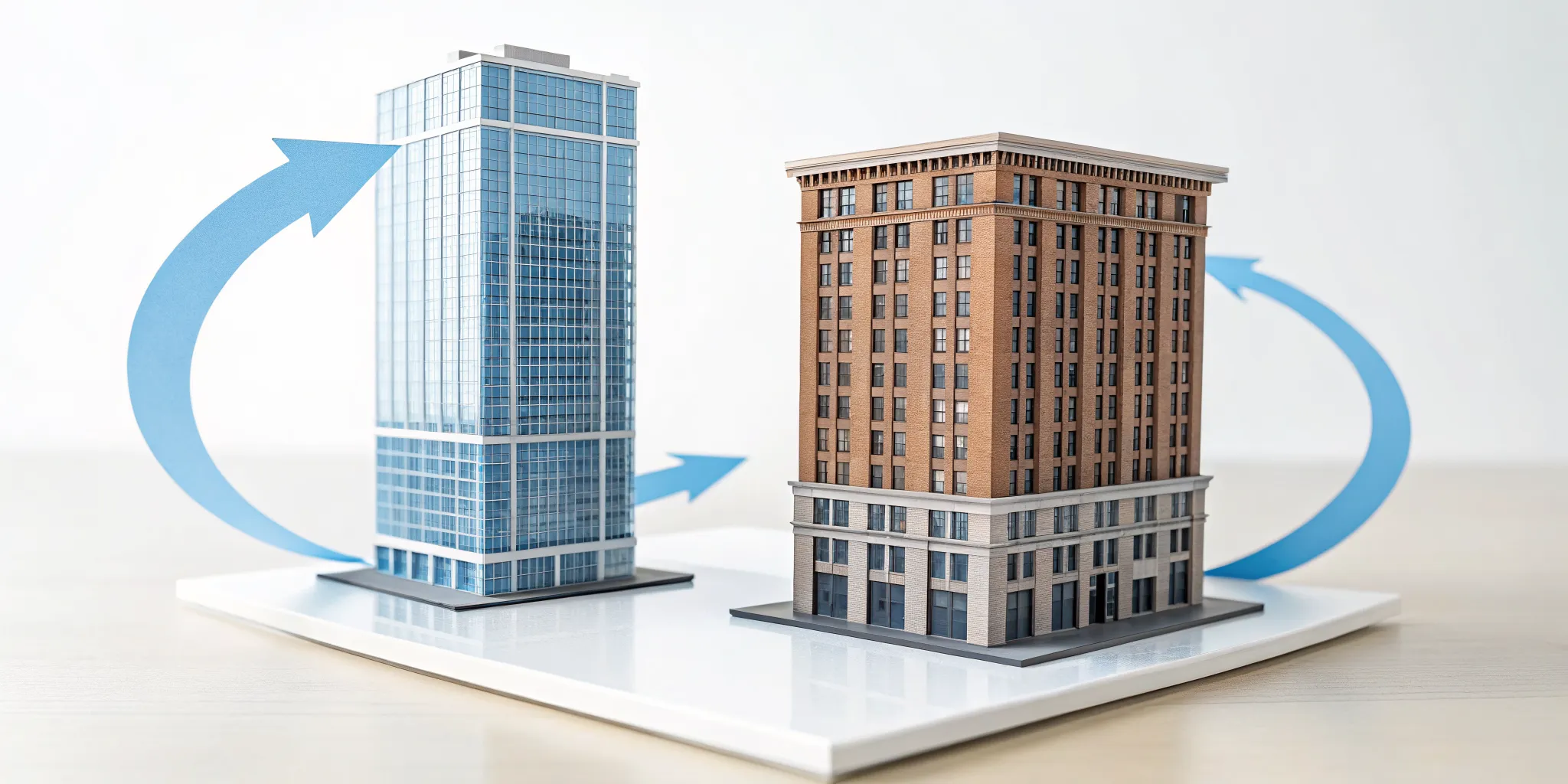
A reverse 1031 exchange is a strategic move for real estate investors that flips the traditional exchange process on its head. Instead of selling your investment property first and then scrambling to find a replacement, a reverse exchange lets you acquire a new property before you sell your old one. This powerful strategy allows you to defer capital gains taxes, just like a standard 1031 exchange, but gives you the flexibility to act quickly when a great opportunity arises. It’s a sophisticated tool designed for situations where timing is everything.
Think of it as a solution for a common investor dilemma: you’ve found the perfect property, but your current one isn’t sold yet. In a competitive market, waiting could mean losing the deal. A reverse exchange provides a path to secure that new asset without the pressure of a pending sale. Because you can’t own both the old and new properties at the same time during the exchange, a third party, known as an Exchange Accommodation Titleholder (EAT), temporarily holds the title to one of the properties. This structure is what makes the tax deferral possible under IRS rules. It requires careful planning and a solid understanding of the process, but when executed correctly, it can be a game-changer for growing your portfolio. Our tax services can help you determine if this strategy aligns with your financial goals.
Why Would You Need a Reverse 1031 Exchange?
At its core, a reverse 1031 exchange is a tax-deferral strategy for investors who want to buy a replacement property before selling their existing one. You’d use this approach when you can’t risk letting a prime investment slip through your fingers. For instance, if a highly sought-after commercial building comes on the market, you can use a reverse exchange to acquire it immediately, even if your current property doesn’t have a buyer lined up.
This gives you a significant advantage, especially in a seller’s market where properties move fast. It removes the stress of the tight 45-day identification window found in a traditional exchange and puts you in a stronger negotiating position as a buyer. You can make a confident offer without a sale contingency, which is often more attractive to sellers.
The IRS Rules You Need to Know
While a reverse exchange offers flexibility, it comes with strict IRS guidelines you must follow to the letter. The entire transaction, from the moment your new property is acquired to the sale of your old one, must be completed within a 180-day period. This is a firm deadline with no extensions.
Within that timeframe, there’s another critical window: you have 45 days from the purchase of the new property to formally identify in writing which of your existing properties you intend to sell. Finally, to defer all capital gains taxes, the property you buy must be of equal or greater value than the one you sell. If it’s worth less, you may owe taxes on the difference. Navigating these rules requires precision, which is where expert CFO services become invaluable.
Revenue Procedure 2000-37: The Safe Harbor
The IRS officially recognized the reverse exchange structure through Revenue Procedure 2000-37, which created a “safe harbor” for these transactions. This guidance provides a clear roadmap for investors to follow. The key to this structure is a special company called an Exchange Accommodation Titleholder (EAT). The EAT temporarily holds the title to one of the properties—either the new one you’re buying or the old one you’re selling—in a process known as “parking” the property. This arrangement is essential because it ensures you, the taxpayer, don’t own both properties at the same time, which would violate the rules of a 1031 exchange and trigger a taxable event. The safe harbor gives you and your team the confidence to execute the exchange according to established IRS guidelines.
The Same Taxpayer Rule
One of the most fundamental rules in any 1031 exchange is the “same taxpayer” rule. This principle is simple but strict: the individual or entity that sells the old property must be the exact same one that acquires the new property. For example, if your relinquished property is held under “Investor LLC,” then the replacement property must also be purchased by “Investor LLC.” You can’t sell a property under your personal name and then buy the new one under a newly formed partnership. This is a critical detail for maintaining the tax-deferral benefits of the exchange, and getting it wrong can disqualify the entire transaction. It’s a detail that our accounting and CPA services can help you manage from the start.
The Related Party Rule
Things can get more complicated if you plan to buy from or sell to a related party. The IRS defines a related party broadly, including immediate family members and corporations or partnerships in which you have a significant ownership stake. While it’s not forbidden, transacting with a related party in a reverse exchange is subject to special rules and heightened scrutiny. The IRS wants to ensure the exchange is a legitimate investment move and not just a way to shift assets around to avoid taxes. If your transaction involves a related party, it’s crucial to consult with a tax advisor to understand the potential pitfalls and ensure your exchange remains compliant.
The Debt Replacement Rule
To fully defer your capital gains taxes, you must satisfy two conditions related to value and debt. First, the new property you acquire must be of equal or greater value than the old property you sell. Second, you must replace the debt on the old property with an equal or greater amount of debt on the new property. If you take on less debt, the difference is considered “mortgage boot” and becomes taxable. Essentially, you need to roll over your entire investment—both your equity and your debt—into the new property. Failing to meet these requirements doesn’t necessarily void the entire exchange, but it will likely result in a partial tax liability.
Reverse vs. Traditional 1031 Exchange: What’s the Difference?
When you hear “1031 exchange,” most people think of the traditional version. But there’s another powerful option, the reverse 1031 exchange, that can be a game-changer in certain situations. Both strategies let you defer capital gains taxes on the sale of an investment property, but they operate on different timelines. The main distinction comes down to a simple question: Are you buying first or selling first? While the goal is the same, the mechanics and strategic advantages are quite different.
Choosing the right one depends entirely on your specific circumstances, market conditions, and investment goals. For example, in a hot seller’s market, finding a replacement property can be tough. A reverse exchange gives you the power to secure that new property first, removing the pressure of a looming deadline. On the other hand, a traditional exchange is often simpler and less costly, making it a great fit for more straightforward transactions. It’s all about control and flexibility. The reverse exchange offers more control over your acquisition timeline, while the traditional exchange provides a more predictable, linear process. Understanding the flow of each process is the first step in deciding which path is right for your investment goals. Let’s break down how each type of exchange works, what the timelines look like, and what makes them different.
How a Traditional 1031 Exchange Works
A traditional 1031 exchange, often called a forward exchange, is the most common approach. The process is straightforward: you sell your investment property first, and then you use the proceeds from that sale to purchase a new, like-kind property. This allows you to roll your gains from one investment into another without immediately paying capital gains tax. Think of it as a linear path. You relinquish your old property, a qualified intermediary holds the funds, and you use that money to acquire your new property within a specific timeframe. This method is perfect for investors who have a planned exit and are ready to find a replacement property after their sale is complete. It’s a foundational strategy in many effective tax services for real estate investors.
How a Reverse 1031 Exchange Works
A reverse 1031 exchange flips the traditional process on its head. With this strategy, you acquire your new replacement property before you sell your old one. This is incredibly useful in a competitive market where you might find the perfect property and need to act fast, even if your current property isn’t on the market yet. Because you can’t own both properties at the same time during the exchange, a third party, known as an Exchange Accommodation Titleholder (EAT), temporarily holds the title to the new property for you. Once you sell your original property, the proceeds are used to “purchase” the new property back from the EAT, completing the exchange and deferring the tax liability.
How Timing and Process Differ
The most critical difference between these two exchanges is when the clock starts ticking. Both exchanges operate under the same strict IRS deadlines, but the trigger for those deadlines is different. In a traditional exchange, the timeline begins the day you close on the sale of your old property. From that date, you have 45 days to identify a potential replacement property and 180 days to close on it. In a reverse exchange, the clock starts the moment the EAT acquires the new property on your behalf. You then have 45 days to identify which of your old properties you intend to sell. You must complete the sale of that old property within the 180-day period that began when you acquired the new one. These IRS regulations are non-negotiable, so timing is everything.
The Reverse 1031 Exchange Process: A Step-by-Step Guide
A reverse 1031 exchange might sound complicated, but it’s really just a sequence of specific steps. When you know what to expect, you can prepare for a smooth and successful transaction. The key is to follow the process carefully and work with a team of professionals who understand the nuances of real estate investment. Think of this as your roadmap to securing your new property first while still getting all the tax benefits of a 1031 exchange. Let’s walk through the process together.
Step 1: Find Your Qualified Intermediary
Your first move is to find a Qualified Intermediary, or QI. This is a required, neutral third party who facilitates the exchange and ensures it complies with IRS rules. For a reverse exchange, the QI’s role is even more critical, as they help establish a special entity to temporarily hold one of your properties. Given the complexity, you’ll want a QI with extensive experience in reverse exchanges. Getting expert advice on the front end from a team that understands investor-specific tax services can set your exchange up for success from the very beginning.
Step 2: Partner with an Exchange Accommodation Titleholder
Once you have your QI, they will help you set up an Exchange Accommodation Titleholder, or EAT. This is typically a single-member LLC created just for your exchange. The EAT’s job is to temporarily “park” or hold the legal title to one of the properties in the deal, usually the new one you’re buying. This arrangement is essential because it prevents you from holding title to both properties at once, which would void the tax-deferred status of the exchange. The EAT acts as a temporary, compliant placeholder, keeping your transaction on the right track.
Deciding Which Property the EAT Holds
Choosing which property the EAT will hold—your new one or your old one—is a critical strategic decision, not just a procedural step. Several factors come into play here. You’ll need to look at any existing loans on your old property, especially if they have a “due on sale” clause that could be triggered by a transfer to the EAT. State transfer taxes are another consideration, as they can add significant costs depending on which property’s title is moved. It’s often simpler and more common for the EAT to acquire and hold the new replacement property, but your specific financial situation will determine the best path. Thinking through these elements with your advisory team ensures the exchange is structured in the most cost-effective and compliant way from the start.
Your Relationship with the EAT
You might think that having an EAT hold your property means you lose all control, but the IRS “safe harbor” rules allow for a surprisingly close working relationship. This flexibility is a huge advantage. For example, you can lend money to the EAT to help with the purchase, guarantee their loans, or even lease the parked property from them so it can generate income during the exchange period. If the EAT is holding your new property, you can also oversee and manage any construction or improvements on it before you officially take title. This allows you to get a head start on renovations, all while staying within the compliant structure of the exchange. These provisions give you significant control over your asset throughout the process.
Covering Property Costs During the Exchange
Even though the EAT holds the legal title to one of your properties, you are still responsible for all its associated costs. Think of the EAT as a temporary placeholder; the financial obligations remain with you. If the EAT holds your old property, you’ll continue to cover the mortgage payments, insurance, property taxes, and any maintenance. The same applies if the EAT holds your new property. You will need to arrange the financing and cover all carrying costs. On the plus side, this arrangement gives you the opportunity to finance improvements on the new property while it’s parked, adding value before the exchange is even complete.
Step 3: Acquire the New Property and Identify the Old
With your team in place, you can move forward with buying your new investment property. You’ll sign the purchase agreement, and the EAT will officially take title. As soon as this happens, a critical clock starts ticking. You have exactly 45 days to formally identify the property you plan to sell. This identification must be specific, in writing, and delivered to your QI. This 45-day window is strict and non-negotiable, so it’s vital to have your relinquished property chosen before you begin the process. Missing this deadline will invalidate the exchange.
Step 4: Complete the Sale of Your Original Property
After identifying your old property, the final deadline is set. You have 180 days from the date the EAT acquired your new property to complete the sale of your original one. Once your old property sells, the proceeds go to the QI. These funds are then used to purchase the new property from the EAT, officially transferring the title to you and completing the exchange. The funds can pay off financing or reimburse you for the initial purchase. Managing these complex financial flows is a key part of our CFO services for real estate investors.
Critical Timelines You Can’t Miss
When it comes to a Reverse 1031 Exchange, the IRS has very specific and strict timelines. These aren’t flexible guidelines; they are hard deadlines that you absolutely must meet to keep your exchange compliant and successfully defer those capital gains taxes. Think of them as the two most important dates on your calendar once the process begins.
Successfully managing a Reverse 1031 Exchange hinges on meticulous planning and a deep understanding of these critical windows. Missing a deadline can invalidate the entire exchange, leading to the tax consequences you were trying to avoid. That’s why working with a team of professionals who can keep you on track is so important. Let’s break down the two key deadlines you need to know.
The 45-Day Identification Window
Once your Exchange Accommodation Titleholder (EAT) acquires your new replacement property, the clock starts ticking. You have exactly 45 calendar days to formally identify the property you plan to sell. This isn’t a casual mention; you must provide a written, unambiguous identification of the relinquished property to your Qualified Intermediary. This step is a formal declaration of your intent and is a non-negotiable part of the exchange rules. Careful planning before you even begin the exchange can make this identification process smooth and stress-free, ensuring you don’t scramble as the deadline approaches.
The 180-Day Completion Deadline
The second critical timeline is the 180-day completion deadline. From the day the EAT purchases your new property, you have 180 calendar days to complete the sale of your old, identified property. This 180-day period is the total time allowed for the entire exchange to be finalized. It’s important to note that the 45-day identification window runs concurrently with the 180-day period, it is not in addition to it. Meeting this completion deadline means closing the sale on your old property and wrapping up all transactions related to the exchange to secure your tax deferral.
What Happens If You Miss a Deadline?
So, what if the unexpected happens and you can’t sell your old property within the 180-day limit? If you miss this deadline, the exchange fails. The EAT will transfer the title of the new property it was holding back to you. While you won’t get the tax deferral you were hoping for, this situation doesn’t create a new tax problem. You simply end up owning both the old and new properties. It’s not the ideal outcome, but understanding the consequences is a key part of risk management in any reverse exchange strategy.
Is a Reverse 1031 Exchange Right for You?
A reverse 1031 exchange is a powerful tool, but it’s not the right fit for every deal. It’s more complex and costly than a traditional exchange, so you need a clear reason to use it. Think of it as a specialized strategy for specific situations where timing is everything. If you find yourself in a scenario where you need to act fast or risk losing a great opportunity, a reverse exchange might be exactly what you need. Let’s look at a few situations where this strategy really shines.
Gaining an Edge in a Seller’s Market
When the market is hot and properties are getting snapped up quickly, a traditional 1031 exchange can put you at a disadvantage. You’re under pressure to find and close on a new property within a tight timeline, which is tough when inventory is low and bidding wars are common. A reverse 1031 exchange flips the script, allowing you to buy your new property before selling your old one. This is a game-changer in a competitive seller’s market where desirable properties don’t stay listed for long. You can make a strong, non-contingent offer on a replacement property without the stress of first needing to sell, giving you a significant edge over other buyers.
To Seize a Unique Property Opportunity
Have you ever stumbled upon an investment property that felt too good to pass up? Maybe it’s in a perfect location or priced just right. These unique opportunities often require you to move quickly. A reverse 1031 exchange is designed for these exact moments. It gives you the flexibility to acquire a new property you really want right away, even before you’ve listed your current one. You don’t have to risk someone else buying your dream property while you’re waiting for your old one to sell. This strategy empowers you to seize those rare opportunities when they appear, instead of hoping they’ll still be there in a few months.
To Gain a Strategic Advantage
Beyond just reacting to the market, a reverse 1031 exchange can be a proactive strategic move. It puts you in the driver’s seat. By securing your replacement property first, you remove the pressure of the 45-day identification clock. This gives you more time and leverage when selling your original property, so you aren’t forced to accept a lowball offer just to meet a deadline. You can wait for the right buyer and the right price. This level of control is a key part of a smart investment plan and aligns with the kind of strategic financial guidance that helps maximize your returns over the long term.
The Pros and Cons of a Reverse 1031 Exchange
A reverse 1031 exchange can feel like a secret weapon, especially in a competitive real estate market. It gives you the power to secure a new property before you’ve even listed your old one. While this strategy offers incredible advantages, it’s not a simple transaction. It comes with its own set of challenges and risks that you need to understand completely before moving forward.
Think of it as a high-stakes strategic move. When executed correctly, it can help you acquire a dream property and continue growing your portfolio without missing a beat. But if you’re not prepared for the strict timelines and higher costs, it can quickly become a financial headache. Weighing the benefits against the potential drawbacks is the first step in deciding if this advanced strategy is the right fit for your investment goals. Let’s walk through the key pros and cons you should consider.
Pro: Defer Your Capital Gains Taxes
The most significant benefit of a reverse 1031 exchange is the same as its traditional counterpart: tax deferral. This powerful tool allows you to postpone paying capital gains taxes on the sale of your investment property. By reinvesting the proceeds into a new, like-kind property, you keep your capital working for you. This means you can acquire a more valuable asset without losing a substantial portion of your gains to taxes. Effectively managing your tax liabilities is a core part of any successful real estate strategy, and a reverse 1031 exchange is one of the most effective tax services available to investors.
Pro: Gain More Investment Flexibility
Have you ever found the perfect replacement property but weren’t ready to sell your current one? A reverse 1031 exchange solves this exact problem. It gives you the flexibility to act quickly when a great opportunity arises, which is a massive advantage in a seller’s market where desirable properties don’t stay available for long. You can acquire the new property immediately without the pressure of first having to find a buyer for your old one. This puts you in a much stronger negotiating position and ensures you don’t miss out on a unique investment while you wait for your other property to sell.
Con: Expect Higher Costs and Complexity
This flexibility comes at a price. Reverse 1031 exchanges are significantly more complex and expensive than traditional exchanges. The process requires an Exchange Accommodation Titleholder (EAT) to temporarily hold the title to either your new or old property, which adds another layer of legal and administrative fees. Because of the intricate structuring, you can expect to pay more for your Qualified Intermediary’s services as well. This is not a strategy to attempt without a team of seasoned professionals. Working with experienced advisors who understand the nuances of these transactions is critical to ensure everything is handled correctly.
Con: Face Market Timing Risks
The biggest risk in a reverse 1031 exchange is the clock. Once the EAT acquires the new property for you, you have just 180 days to sell your original property and complete the exchange. If you fail to sell it within this window, the transaction is disqualified. You’ll be left owning two properties and facing the capital gains tax bill you were trying to defer. A sudden market shift or an unexpected issue with a potential buyer could jeopardize the entire deal. This makes it essential to have a solid marketing and pricing strategy for your old property before you even begin the exchange process.
How Much Does a Reverse 1031 Exchange Cost?
A reverse 1031 exchange is a powerful tool for deferring capital gains taxes, but it’s important to go in with a clear understanding of the costs. Because of the added complexity, you can expect to pay more than you would for a traditional 1031 exchange. The process involves more moving parts, specialized professionals, and tighter timelines, all of which contribute to the final price tag.
Think of these costs not as a barrier, but as an investment in a compliant and successful transaction. Getting it right means saving a significant amount on taxes, so having the right team and budget in place is essential. The main expenses you’ll need to plan for fall into three categories: fees for your Qualified Intermediary, costs associated with the Exchange Accommodation Titleholder, and the financial implications of securing a loan and managing two properties at once. Let’s break down what you can expect for each.
Qualified Intermediary (QI) Fees
Your Qualified Intermediary is a critical partner in any 1031 exchange, but their role is even more involved in a reverse exchange. To reflect this complexity, their fees are higher. You can generally expect to pay between $6,000 and $10,000 for a reverse exchange involving one relinquished and one replacement property. If your transaction involves multiple properties, you might see an additional fee of around $400 to $600 for each extra property.
This fee covers the extensive documentation, coordination, and oversight required to ensure your exchange meets all IRS regulations. The QI structures the entire transaction, so their expertise is what keeps you compliant. While the cost is higher than a standard exchange, a seasoned Qualified Intermediary is non-negotiable for a smooth process.
Factoring in Exchange Accommodation Titleholder (EAT) Costs
In a reverse exchange, you need a special entity to temporarily hold the title to one of the properties. This entity is called an Exchange Accommodation Titleholder (EAT). The EAT is created specifically for your transaction and is a key component of a compliant exchange. Setting up and using an EAT comes with its own set of costs.
Beyond any initial setup fees, you are still responsible for all the carrying costs of the property the EAT holds. This includes loan payments, property taxes, insurance, and any operating expenses. Typically, you’ll sign a lease or similar agreement with the EAT to cover these costs while the property is “parked.” It’s a crucial detail to remember when budgeting, as you’ll be footing the bill for the property’s upkeep throughout the exchange period.
Fees for Additional Properties
If your exchange involves more than a simple one-for-one trade, your costs will increase. Whether you’re selling several smaller properties to buy one large one or exchanging one property for multiple replacements, each additional asset adds complexity. Your Qualified Intermediary will typically charge an extra fee, often between $400 and $600, for each property beyond the initial pair. This covers the added administrative work, from managing multiple titles to ensuring all documentation is perfect. Factoring these costs into your budget from the start is essential for accurate tax planning and a predictable, successful exchange.
Will You Face Financing Challenges?
The financial hurdles of a reverse 1031 exchange go beyond direct fees. Securing a loan for your new property before you’ve sold your old one can be tricky. Lenders may be more cautious, which gives all-cash buyers a distinct advantage in competitive markets. You’ll need to have your financing strategy locked down early in the process.
The biggest financial risk is failing to sell your original property within the 180-day deadline. If the sale falls through or you can’t find a buyer in time, you could end up owning two properties simultaneously. This can put a serious strain on your cash flow and overall financial health. Careful planning with your advisory team is essential to prepare for this possibility and ensure you have a solid exit strategy.
Potential State Transfer Taxes
Another potential cost to keep on your radar is state transfer taxes. Because the property title has to move to and from the Exchange Accommodation Titleholder (EAT), some states will charge a transfer tax on these transactions—sometimes twice. However, not all states impose this tax. Many have exemptions in place once they understand the EAT’s role as a temporary facilitator. This is a perfect example of why your Qualified Intermediary must be an expert in your state’s specific regulations. Getting this wrong can lead to an unexpected and expensive tax bill. Navigating these state-by-state nuances is a critical part of the detailed tax strategies we build for investors, ensuring every detail is accounted for.
Common Mistakes to Avoid
A reverse 1031 exchange can be a game-changer for your investment strategy, but it comes with its own set of rules and complexities. Being aware of the common pitfalls is the first step to a successful exchange. Let’s walk through a few key mistakes so you can sidestep them with confidence.
Getting the Ownership Rules Wrong
One of the biggest hurdles investors face is the ownership rule. Simply put, you cannot own both your old property and your new property at the same time. This is a non-negotiable part of the exchange process. To solve this, the IRS allows for a special third party, called an Exchange Accommodation Titleholder (EAT), to temporarily hold the title to one of the properties. The EAT essentially “parks” either your new replacement property or your old relinquished property, ensuring you stay compliant while you finalize the transaction. Getting this structure right from the start is absolutely critical.
Assuming Your Financing is a Sure Thing
Another common slip-up is underestimating the financial side of the deal. In a reverse exchange, you need to acquire the new property before you’ve sold the old one, which means you need more cash or a loan upfront. Securing financing can be challenging, especially in a competitive market where cash buyers have the upper hand. Don’t assume your lender will be on board without a clear plan. It’s essential to have your financing lined up and to understand all the associated costs before you even begin the exchange. Proper financial planning can make or break your ability to close the deal.
Underestimating the Timeline and Complexity
Finally, don’t underestimate the complexity of the process itself. A reverse 1031 exchange is not a simple transaction; it’s a highly structured process with strict deadlines and detailed rules. Not following them carefully can lead to paying the very taxes you were hoping to defer. You must complete the entire exchange, from selling the old property to transferring the new one, within a firm 180-day window. This tight timeline leaves little room for error. Working with a team that understands the ins and outs of tax-deferred exchanges is the best way to ensure every step is handled correctly and on time.
Who You Need on Your Reverse 1031 Exchange Team
A reverse 1031 exchange is a powerful tool, but it’s definitely not a DIY project. The rules are complex and the timelines are strict, so pulling it off successfully requires a team of seasoned professionals. Think of them as your personal board of directors for this transaction, each with a specific role to play in protecting your investment and ensuring everything goes according to plan. Having the right experts in your corner from the very beginning is the single best thing you can do to set yourself up for success.
Your team will help you stick to the tight deadlines, handle the intricate legal and financial paperwork, and provide the strategic advice you need to make smart decisions. The key players you’ll want to recruit are tax and legal advisors who specialize in real estate, along with a highly experienced Qualified Intermediary. With their combined expertise, you can confidently manage the process and focus on what you do best: finding great investment properties. Let’s look at who you need and why.
Choosing the Right Tax and Legal Advisors
First things first, you need a financial expert who lives and breathes real estate. A CPA or tax advisor with deep experience in 1031 exchanges is non-negotiable. They will be your guide for navigating the IRS regulations, ensuring you remain compliant every step of the way. Their job is to provide strategic tax advice that helps you maximize your tax deferral benefits and avoid costly mistakes. Similarly, a real estate attorney will review contracts and legal documents to protect your interests throughout the transaction. These advisors form the foundation of your team, providing the critical oversight needed for a smooth exchange.
Selecting an Experienced Intermediary
The Qualified Intermediary, or QI, is a central figure in any 1031 exchange. In a reverse exchange, their role is even more critical. Because you can’t hold the title to both the old and new properties simultaneously, the QI works with an Exchange Accommodation Titleholder (EAT) to “park” one of the properties for you. An experienced QI will facilitate the exchange process, prepare the necessary legal documents, and ensure the transaction follows the IRS safe harbor guidelines. Given the complexity, you’ll want to partner with a QI who has a proven track record with reverse exchanges specifically.
Working Together for a Compliant Exchange
With your advisors and QI in place, your final goal is to execute a compliant and successful exchange. Your team works together to make sure you meet every critical deadline, from the 45-day identification window to the 180-day completion period. Missing just one of these dates can disqualify the entire exchange, triggering a significant tax liability. Your team keeps the process on track, manages the flow of funds, and handles the detailed documentation required by the IRS. This professional oversight is what turns a potentially stressful process into a manageable and profitable investment strategy, giving you the expert guidance needed to close the deal with confidence.
Related Articles
- The Key 1031 Exchange Rules You Need to Know
- What Is a 1031 Exchange Qualified Intermediary?
- Qualified Intermediary 1031 Exchange: A Complete Guide
Frequently Asked Questions
What happens if I can’t sell my original property within the 180-day deadline? This is the primary risk of a reverse exchange. If you miss the 180-day deadline, the exchange fails. The Exchange Accommodation Titleholder (EAT) will transfer the title of the new property to you, and you will simply own both properties. While this isn’t ideal, it doesn’t create a new tax problem, but you will lose the opportunity to defer the capital gains tax from the eventual sale of your original property.
Can I use a reverse 1031 exchange for my personal home? No, 1031 exchanges, both traditional and reverse, are strictly for investment or business-use properties. The IRS requires that both the property you sell and the property you acquire are held for productive use in a trade or business or for investment. Your primary residence does not qualify for this type of tax deferral.
Why is a reverse exchange so much more expensive than a traditional one? The higher cost comes from the added complexity. A reverse exchange requires setting up a special legal entity, the Exchange Accommodation Titleholder (EAT), to temporarily hold one of the properties. This involves additional legal documentation, administrative oversight, and higher fees from your Qualified Intermediary to manage the intricate transaction and ensure it remains compliant with IRS rules.
What’s the very first step I should take if I think a reverse exchange is right for me? Your first step should be to assemble your professional team before you even make an offer on a new property. Start by speaking with a CPA or tax advisor who specializes in real estate investments. They can help you analyze the financial implications and determine if the strategy truly fits your goals. From there, you can connect with an experienced Qualified Intermediary to get the process started correctly.
Can I make improvements to the new property while the EAT is holding it? Yes, it is possible to make improvements to the new property while it’s held by the EAT, which can be a strategic way to increase its value as part of the exchange. However, this adds another layer of complexity to the transaction. The financing for the improvements must be structured correctly, and all work must be completed within the 180-day exchange period. This requires careful planning with your advisory team.