

One roof failure can erase the free cash that made your next acquisition possible. Across a growing portfolio, the risk is several capital needs arriving before their funding is visible.
Schedule a consultation with DMR Consulting Group to turn rental property cash reserves, forecasts, and capital plans into a clearer portfolio decision system.
Cash reserve planning for rental property portfolios sets liquidity targets by property. It uses forecast cash flow, planned capital work, vacancy exposure, debt payments, and asset condition. It stops a healthy total bank balance from hiding an unfunded roof replacement, HVAC failure, or lease-up period at a single asset.
The University of Texas Housing Policy Clinic notes that replacement reserves cover worn building components such as roofs, heating equipment, flooring, and plumbing equipment. With CFO-level reporting, owners can separate operating cash from capex reserves, monitor funding gaps, and pursue acquisitions without spending funds assigned to existing properties. That reserve map makes each purchase a measured capital decision, rather than a bet on cash already needed across the portfolio.
The practical question is not whether to hold cash, but how to see what each property needs before cash is committed elsewhere. That is why Cash reserve planning for rental property portfolios starts with visibility, the first principle this guide applies. Here’s how.
Cash reserve planning for rental property portfolios starts with visibility
Cash reserve planning for rental property portfolios starts before an owner selects a reserve target. It starts with a clear view of cash held, cash moving through each property, and cash available when conditions change. A single bank total cannot show which asset is strong, exposed, or due for a major cost.
A portfolio view with property detail
Multi-property owners need two views at the same time. The portfolio view shows total liquid cash and upcoming demands across all assets. The property view shows whether one building is funding another through hidden shortfalls, late repairs, or weak operating results.
That detail matters because capital reserves have a defined job. They are set aside from operating cash flow for replacement of worn building parts and equipment, such as roofs or heating equipment. This purpose is described in a University of Texas housing policy report.
One reserve figure across the portfolio can hide risk. A newer asset may produce cash while an older building has capital work ahead. Separate tracking lets the owner see the source of cash and the likely use of it.
- Reserve cash by property and at the portfolio level.
- Monthly income, operating costs, and debt payments by asset.
- Planned capital work, open repair needs, and leasing gaps.
- Cash that is unrestricted and ready for short-term use.

Liquidity is not the same as a cash balance
A large balance may still be committed to taxes, insurance, debt service, or a known capital project. An owner should separate available cash from restricted funds and scheduled uses. This makes liquidity a planning measure, not a reassuring number on a statement.
Consistent property records make that separation easier to review. A property accounting categories can keep reserve deposits, operating costs, and capital spending in distinct categories. Owners can then compare properties on the same basis.
- Unrestricted cash available today.
- Near-term obligations already expected.
- Reserve funds assigned to capital needs.
- Net operating cash flow by property.
- Portfolio cash after planned commitments.
Visibility before reserve decisions
Reserve planning should answer a practical question: where would a cash strain appear first? One property may face an equipment replacement while another has steady cash flow and few near-term costs. Consolidated reporting shows both facts without treating every asset as identical.
A useful review also looks ahead. Owners can map known capital projects, lease events, debt payments, and tax dates beside cash flow forecasts. This helps them judge whether cash is merely present or is available for an unplanned need.
This is where forecasting supports a sound decision. DMR’s fractional CFO for real estate investors service focuses on cash flow analysis, forecasting, and portfolio-level metrics. Those views help owners set reserve policies that match property needs, liquidity, and planned growth.
How cash reserve planning for rental property portfolios sets property targets
There is no single cash reserve number that fits every rental property. Simple rules based on rent, expenses, or a flat property amount can start the discussion. They should not become portfolio policy without a review of each asset’s cash demands and risks. Good cash reserve planning for rental property portfolios starts at the property level, then tests liquidity across the full portfolio.
What sets the reserve need?
Two buildings with the same rent may need different cash buffers. An older building with aging systems may face near-term work, while a recently updated property may face less immediate capital pressure. List each asset’s roof, HVAC, plumbing, electrical, and exterior history before selecting a reserve target. Capital reserves cover major building components as they wear out, as explained in this housing policy analysis.
Unit count also matters. A four-unit asset can face more turn activity and more service calls than a single-family rental. Review rent roll detail, vacancy patterns, lease timing, and repair records, rather than assuming higher gross rent creates enough protection.
Costs that do not wait
Cash reserves protect the operation when income timing and bill timing stop matching. The plan should reflect debt service, insurance premiums, and property tax due dates. Those obligations may remain due when a unit is vacant or collection is late. Build a monthly view through property-level cash flow forecasting, with separate lines for scheduled payments and planned capital work.
Maintenance history provides a check on the forecast. Repeated leaks, recurring equipment faults, or frequent turns can point to cash needs that average rules miss. In periods of rent disruption, owners have reported deferred maintenance and missed mortgage or tax payments. This pattern is documented in peer-reviewed housing research.
From rule of thumb to policy
A benchmark is useful only as an initial screen. For each property, test whether cash covers known bill dates, operating shocks, and planned capital replacements. Then view the results together, because several repairs or renewals can occur in the same quarter.
Document the basis for each target beside the property forecast. Note the next large repair, bill dates, lease rollover exposure, and any funding limits. When a target changes, this record explains why cash remains set aside or can be reallocated.
A reserve policy also needs clear boundaries. Routine operating expenses, planned replacements, and true emergencies do not share the same timing or review process. Tag each cash use by purpose. Owners can then see whether an asset has a one-time event or a recurring operating gap.
- Start with each property’s physical age, unit mix, rent roll, and maintenance record.
- Map monthly debt service, insurance, taxes, routine operating bills, and upcoming capital projects.
- Set property reserve targets, then run a portfolio cash test for overlapping needs.
- Update targets when repairs, refinancing, insurance renewals, tax changes, or acquisitions alter the forecast.
This approach separates emergency liquidity from capital planning while keeping both visible. It also helps owners avoid moving spare cash away from an asset that still carries a known risk. As a portfolio grows, reserve decisions become repeatable management decisions, not guesses based on one broad ratio.
Separate operating reserves from capex reserves
Two reserve jobs
Cash reserve planning for rental property portfolios works better when each dollar has a defined job. Operating reserves keep normal property activity moving when timing or costs shift. They can cover a short vacancy, an ordinary repair, or a turnover cost that affects current operations.
Capital expenditure, or capex, reserves fund future replacement of building components and equipment as they wear out. Examples include roofs, HVAC equipment, hot water heaters, flooring, and plumbing equipment. A University of Texas housing policy report describes this purpose for replacement reserves and recommends keeping them away from routine maintenance and turnover spending.
| Reserve question. | Operating reserve. | Capex reserve. |
|---|---|---|
| Primary purpose. | Support current operations. | Replace long-life components. |
| Typical uses. | Vacancy and routine repairs. | Roof, HVAC, or plumbing replacement. |
| Time horizon. | Near-term cash needs. | Planned future asset needs. |
| Trigger. | Income gap or daily expense. | Component wear or replacement plan. |
| Reporting view. | Available liquidity by property. | Funded replacement plan by asset. |
Why combining funds weakens decisions
A single reserve balance can hide risk. Paying for small repairs from a roof fund makes near-term cash flow look stable. Yet the property may be underfunded when a major system reaches the end of its useful life.
The opposite problem also matters. Holding all available cash for distant replacements can leave little room for vacancy or routine repairs. Separate balances let an owner see whether a problem is operational, capital-related, or both.
A rental property chart of accounts can keep these uses distinct in monthly reporting. It can show operating reserve draws separately from capex deposits and capex spending. That separation supports clear review at the property level and across the portfolio.
Portfolio-level reserve discipline
For several properties, set an operating reserve policy and a capex schedule for each asset. Start with known building components, recent replacement work, and upcoming needs. Then review reserve funding with cash flow forecasts, rather than moving funds only after a bill arrives.
This approach gives managers a cleaner view of liquidity and future capital demand. With portfolio financial reporting, owners can compare property needs without treating every cash draw as the same event. Routine maintenance remains an operating cost, while replacements remain planned capital work.
Build a property-level cash flow forecast
A separate forecast for each asset
Cash reserve planning for rental property portfolios starts with each property’s cash pattern. A portfolio total can hide a weak roof reserve, a heavy turnover month, or one asset that draws cash from the rest. Build one rolling forecast per property, then combine the same line items across the portfolio.
Keep operating cash and replacement reserves clear in the model. Replacement reserves fund future component needs, such as roofs, heating equipment, water heaters, flooring, and plumbing equipment. This purpose is described in a University of Texas Housing Policy Clinic reserve review.
The monthly forecast sequence
Use a rolling 12-month view, updated each month with actual results. Apply the same account names across assets. A standardized rental property accounts makes rent, repairs, capital work, debt, and reserve transfers easier to compare.
Set the opening cash position. Record available operating cash and dedicated reserve cash separately. Do not count tenant deposits or cash committed to a pending invoice as free liquidity.
Forecast rent collections. Start with signed leases, renewal timing, and known vacancy periods. Keep scheduled rent separate from expected collections, so late payments or concessions remain visible.
Enter recurring outflows. Add debt service, taxes, insurance, utilities, management fees, association dues, and routine maintenance. Place costs in their due months instead of spreading every cost evenly.
Map turnover and leasing events. Add expected vacancy, make-ready work, cleaning, leasing costs, and utility carry. A unit turn can create a cash pinch even when annual income looks sound.
Schedule capital needs. List known roof, HVAC, plumbing, appliance, and exterior projects by likely month. Show each planned reserve draw and the monthly reserve contribution that rebuilds the balance.
Run downside cases. Test slower collections, one extra vacancy, or an earlier capital repair. Note the lowest cash month for each property, and set an action point before cash reaches that level.
Schedule a consultation to review property-level forecasts before reserve gaps slow your next acquisition.
From property view to portfolio action
Roll every property forecast into one portfolio schedule, but retain property columns. Show operating cash, reserve cash, monthly net cash flow, planned capital draws, and the lowest projected balance. This view shows where excess liquidity exists and where a future funding gap may appear.
Review actual results against the forecast each month. Update leasing dates, repair timing, tax bills, insurance renewals, and capital bids as facts change. The result is not a static budget. It is a decision tool for reserve transfers, project timing, and acquisition readiness.
What factors change reserve needs across a portfolio?
Cash reserve planning for rental property portfolios should start at the asset level, not with one blanket target. Two buildings can produce similar rent, yet face different cash needs. A sound plan maps each property’s likely cash demands. It then rolls those demands into a portfolio view.
That process separates cash held for daily operations from funds set aside for longer-term capital work. Replacement reserves cover worn building components, such as roofs, heating equipment, water heaters, flooring, and plumbing equipment. The University of Texas Housing Policy Clinic guidance describes this capital reserve purpose.
Property condition and income risk
Property age is only the first screen. A newer asset with aging systems may need more near-term cash than an older building with recent replacements. Review roof, HVAC, plumbing, paving, common areas, and planned unit upgrades by property. Link each known project to a timing range and cost estimate.
Income risk changes the other side of the reserve plan. Higher market vacancy, slower leasing, or heavier tenant concentration can leave less operating cash available. Lease expirations that bunch together may add turnover work and vacancy risk in one period. Owners should test the reserve balance against those periods, rather than rely on a smooth annual average.
- Group upcoming capital items by property and likely timing.
- Flag assets with clustered lease expirations or concentrated tenant income.
- Compare each property’s cash buffer with its near-term operating and capital exposure.
Contractual and location-based obligations
Insurance structure can make two similar assets carry different cash needs. A higher deductible means an insured event may still require more ready cash. Debt documents may also set minimum liquidity, escrow, or repair reserve requirements. Review these terms before treating cash as available for acquisitions, distributions, or optional improvements.
Multi-state portfolios require another layer of discipline. Tax due dates, filing duties, local rules, and insurance exposures may not align across markets. A clear clean expense and reserve categories helps separate restricted, planned, and operating cash. It also reduces the risk of using one asset’s buffer for another asset’s obligation.
- List deductibles, lender reserve terms, and required escrows for each asset.
- Calendar tax, compliance, and renewal dates by state and entity.
- Label cash that is restricted or already committed before measuring free liquidity.
Growth plans and portfolio oversight
Growth plans often reveal whether a reserve model is durable. An owner preparing for an acquisition, renovation, or refinance needs visibility across all properties. Cash may look ample in total while several assets face repairs or lease turnover at once. Reserve planning should show both the consolidated balance and the cash available after known commitments.
This is where reporting becomes practical, not merely historical. With strategic finance support for real estate owners, owners can track property-level reserves, planned capital spending, liquidity limits, and acquisition capacity together. Review the model when leases shift, renewals reset costs, debt terms change, or a new property enters the portfolio. That routine turns reserves into a working decision tool.
Use portfolio reporting to turn reserves into decisions
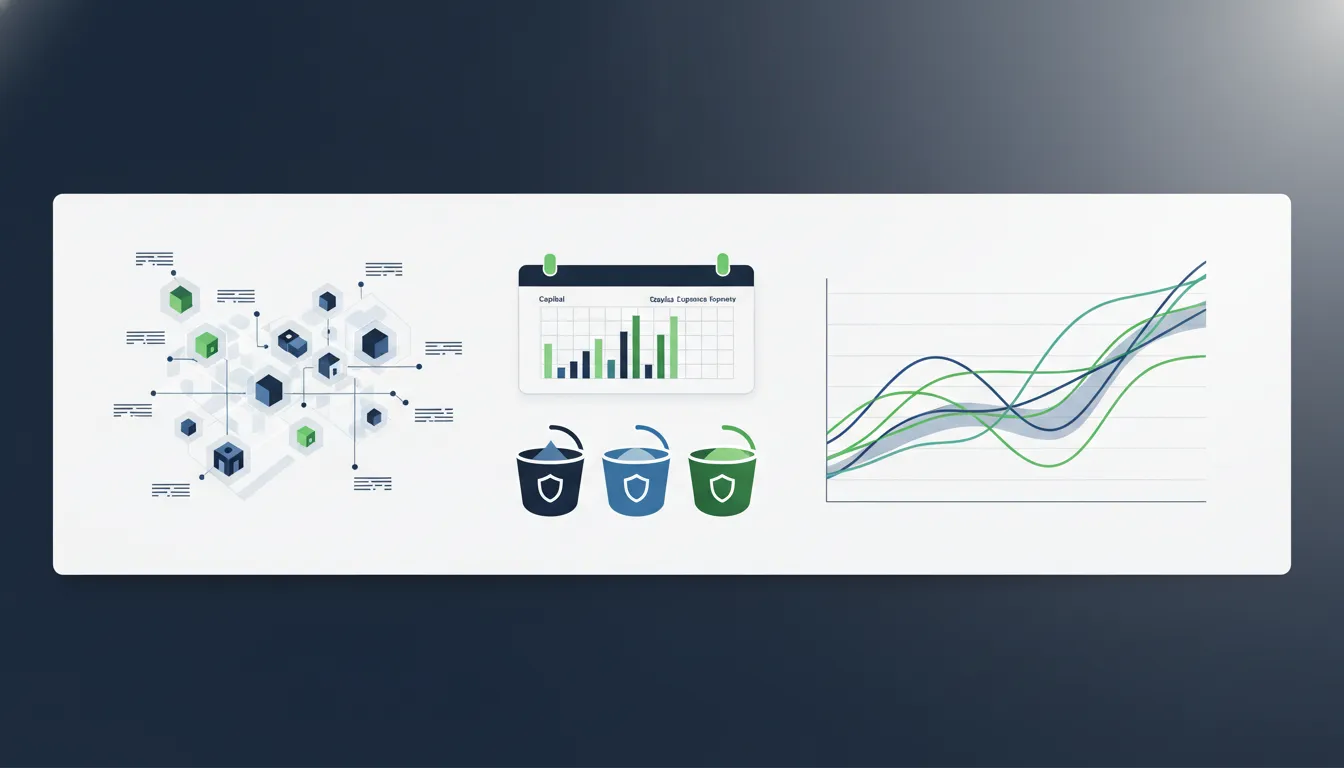
Cash reserve planning for rental property portfolios becomes useful when it ends in a choice. A reserve total alone cannot show whether cash is ready for a roof, tied to risk, or free for growth. CFO-level reporting puts that total beside near-term needs, debt terms, and each property’s cash flow.
A clear reserve picture
Begin with a portfolio view, then keep the property detail behind it. Owners need unrestricted operating cash, replacement reserves, planned capital spending, debt service, and near-term lease or vacancy risks on one report. The report should flag cash held for a stated use, so it is not mistaken for acquisition capital.
Replacement reserves protect assets only when their purpose stays clear. One University of Texas policy report defines replacement reserves as funds from property cash flow for worn building components. It lists roofs, heating equipment, and plumbing equipment as examples. That distinction helps prevent a planned repair budget from looking like spare cash.
A consolidated report should still show which property carries each exposure. Cash in one account may appear ample, while one asset faces a large repair. Separate columns for operating cash and restricted reserves make that risk visible before an owner weighs new spending.
Choices supported by cash flow
Good reporting turns reserve balances into options, not vague comfort. It shows base cash flow, reserve deposits, expected capital needs, available credit, and downside cases by property. Roll these items into a portfolio dashboard, with clear notes on timing and cash restrictions.
- Hold cash: Upcoming repairs or weak collections would strain operating liquidity.
- Fund capex: A scheduled project fits the stated reserve purpose and forecast.
- Refinance: Debt service or maturity pressure limits useful cash after reserves.
- Acquire: Cash remains available after existing assets meet reserve and debt needs.
- Pause growth: Downside cases create a funding gap before a purchase closes.
These are management screens, not automatic answers. An owner can compare choices under the same assumptions before committing cash or new debt. A forecast can also reveal when an attractive purchase would leave older assets exposed to future capital work.
A repeatable decision report
The monthly package should connect every recommendation to supporting numbers. Use property-level cash flow, reserve activity, capital plans, loan terms, and a portfolio liquidity view. Track forecast versus actual results, then update timing when repairs, turnover, or financing plans change.
This is where a fractional CFO for real estate investors differs from bookkeeping alone. Books record activity; a CFO report tests what available cash can support next. Owners who want more context can review DMR’s guide to portfolio reporting for real estate decisions for property management.
A useful decision page states the recommendation, the trigger, and the next review date. For an acquisition, that trigger might be cash remaining after funded repairs and debt payments. For a refinance, it might be a loan maturity review before new capital is committed.
The same package can assign action items to owners, managers, and advisors. Each person sees the cash need, timing, and reason for the recommendation. As facts change, the owner can revisit the choice without rebuilding the full analysis.
How should a growth-minded owner review reserves each month?
Cash reserve planning for rental property portfolios works best as a monthly management habit, not a last-minute response to a repair bill. A review should connect bank cash, property forecasts, and planned capital work. It should also show which decisions need attention before an owner adds debt or another asset.
A repeatable monthly review
Keep the review in the same reporting cycle as rent, debt, and operating expense closeout. A organized rental property accounting structure helps an owner separate reserve activity from routine repairs and property operations. That separation makes the cash position easier to explain and act on.
Reconcile reserve cash. Match each reserve bank balance to the ledger and investigate transfers, fees, or withdrawals. A clean starting balance keeps later comparisons from relying on outdated cash figures.
Update each property forecast. Roll forward expected rent, operating costs, debt service, and known timing changes. Then review the combined portfolio view, since a healthy total can still hide pressure at one asset.
Review the capital schedule. List planned roof, heating, hot water, flooring, and plumbing work with expected timing. A University of Texas Housing Policy Clinic paper describes replacement reserves. These funds cover future replacement of building parts and equipment.
Stress test vacancies and collections. Model a slower lease-up, a missed payment, or a unit offline for repairs. This is not a prediction. It is a simple check on whether cash can cover planned commitments under strain.
Compare target reserves with actual cash. Show the planned reserve need beside available cash for each property and the full portfolio. Do not force one reserve rate across unlike assets. Timing, building needs, and operating risk may differ.
Record next actions. Note whether to pause a distribution, fund a reserve account, revise a capital date, or research a variance. Assign an owner and due date so the review produces decisions, not just a spreadsheet.
What the review should flag
A growth-minded owner needs more than a green or red reserve balance. Flag properties with falling cash, near-term capital work, repeated forecast misses, or vacancy pressure. Flag surplus cash only after known obligations are mapped. That discipline protects operations while keeping growth choices visible.
Decisions without a blanket reserve rate
The monthly meeting is a control process, not reserve-rate advice tailored to one owner. Use decision-ready financial reporting to document assumptions, compare plan to results, and revisit actions next month. Owners can discuss funding choices with their advisory team using current property data.
.
Request a consultation when your portfolio needs clearer cash visibility, capex timing, and strategic reserve reporting.
Frequently Asked Questions
How much cash reserve should I keep per rental property?
There is no single amount that fits every rental property. Set a base reserve for normal vacancies and repairs, then add planned capital costs for each asset. Review the amount against rent collections, debt payments, insurance, taxes, and upcoming replacements. A property-level forecast helps owners see when one asset may need additional liquidity without assuming the full portfolio can fund it.
What factors influence cash reserve requirements for rental portfolios?
Reserve needs depend on property age, unit count, asset type, location, vacancy patterns, tenant turnover, debt obligations, and capital projects already expected. A newer building with recent systems updates may require a different buffer than an older asset with pending roof or HVAC work. Portfolio owners should compare these risks property by property, then report total available cash and committed reserves separately.
How should I structure a dedicated cash reserve account for rental properties?
Keep reserve cash identifiable by property, even when the portfolio uses centralized banking. Separate operating liquidity from replacement reserves, and document approved uses for each balance. The University of Texas Housing Policy Clinic describes replacement reserves as funds for major building components and equipment. Clear categories prevent routine expenses from masking funds committed to future capital work.
How do you calculate cash reserves based on property age and maintenance history?
Build a schedule of major components for each property. Include roofs, heating equipment, water heaters, flooring, and plumbing equipment. Record installation dates, repair history, expected replacement timing, and current cost estimates. Fund near-term needs first, then spread later needs across future months. Update the schedule after inspections, replacements, major repairs, or acquisitions so reserve targets reflect current asset condition rather than age alone.
Ready to make reserve planning easier to review? Request a consultation with DMR Consulting Group about CFO-level reporting for your rental property portfolio.
Ready to plan reserves for your growing portfolio?
Waiting until a repair or cash need becomes urgent can force rushed funding choices. It can also delay planned work and limit flexibility for the next acquisition. Without reserve visibility by property, owners may struggle to compare upcoming capital needs, available cash, and growth timing. Starting now gives your team time to forecast cash flow, plan capex, set reserve priorities, and build CFO-level reporting.
Ready to put a disciplined cash reserve plan in place for every property in your growing portfolio? Schedule a consultation to discuss reserve visibility, property-level forecasting, planned capital projects, and reporting designed to guide your next portfolio decisions.