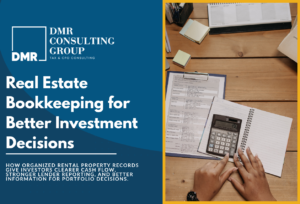

Juggling properties, tenants, and maintenance is more than a full-time job. Add complex bookkeeping and tax stress to the mix, and it’s easy to feel overwhelmed. It’s also how investors unknowingly leave money on the table or make costly compliance mistakes. This is where specialized real estate accounting in New Jersey becomes your most valuable asset. It’s not just about tracking income and expenses; it’s a strategic framework designed to protect your portfolio and fuel your growth. This guide shows how the right financial partner provides the clarity needed to build your wealth with confidence.
Key Takeaways
- Treat your accountant as a strategic partner, not just a tax preparer: A specialist in real estate offers year-round guidance on cash flow, investment analysis, and business structure, helping you make smarter financial decisions for your portfolio.
- Use proactive tax strategies to keep more of your profits: Implementing tactics like 1031 exchanges, cost segregation, and meticulous expense deductions can significantly lower your tax liability, freeing up more capital to reinvest.
- Choose an accountant with proven New Jersey real estate expertise: Your financial partner must understand state-specific tax laws and the local market to provide relevant, effective advice that protects your investments and supports your growth.
What is Real Estate Accounting & Why It’s Crucial for NJ Investors
If you’re a real estate investor, you know that success is about more than just finding the right property. It’s about managing your finances with precision. Real estate accounting is the framework that helps you track every dollar related to your properties, but it’s not just about balancing the books. It’s about creating a clear financial picture that empowers you to make smarter, more profitable decisions. This is especially true in a competitive and complex market like New Jersey, where local nuances can significantly impact your bottom line. Understanding the fundamentals and the local landscape is the first step toward building a resilient and successful portfolio.
Breaking Down the Basics of Real Estate Accounting
At its core, real estate accounting is the specialized process of tracking all the financial activity related to your properties. Think of it as the financial story of your investments. This includes recording income from rent and sales, as well as managing all your expenses, from routine maintenance and property taxes to mortgage payments and insurance. The goal is to maintain a clear view of your cash flow and profitability. Good accounting practices ensure your financial reports are accurate, which is essential for securing loans, attracting partners, and staying compliant. With solid accounting and CPA services, you can stop guessing and start making data-driven choices for your portfolio.
Why New Jersey Real Estate is a Different Ballgame
New Jersey’s real estate market is as diverse as it is dynamic. From bustling urban centers to quiet suburban neighborhoods, the opportunities are vast, but so are the complexities. The state’s property market changes quickly, and its tax regulations can be tricky to follow without expert guidance. This is why having a financial partner who truly understands the local industry is so important. An accountant with specific New Jersey real estate experience can help you handle complex tax rules and streamline your financial operations. This kind of specialized knowledge is key to effective tax planning and protecting your investments from costly mistakes.
Who Benefits from Specialized Real Estate Accounting?
You might think specialized accounting is only for investors with massive, complex portfolios, but that’s a common misconception. The truth is, anyone involved in real estate transactions can gain a significant edge by working with a financial expert who understands the industry’s unique challenges. Whether you’re just starting with your first rental property or managing a large development project, a tailored financial strategy is essential for growth. The benefits extend far beyond individual investors, touching a wide range of professionals and covering every type of property you can imagine. It’s about having a partner who can provide clarity and direction, no matter the scale of your operations.
Beyond the Individual Investor: A Look at Professional Clients
While individual investors are the most obvious beneficiaries, they are far from the only ones. Specialized real estate accounting is a critical tool for a variety of industry professionals. Realtors, for instance, need to manage commissions and business expenses effectively. Real estate developers must track project costs, secure financing, and analyze profitability from the ground up. Property managers juggle the finances for multiple owners, requiring meticulous record-keeping for each. All of these roles demand comprehensive financial strategies that go beyond basic bookkeeping. A firm that understands these distinct needs can offer tailored advice to protect and grow each unique business.
Covering All Property Types
Just as the professionals vary, so do the properties they manage. Your financial strategy needs to adapt whether you’re invested in residential, commercial, or industrial real estate. Each property type comes with its own set of financial rules and opportunities. An accountant with industry experience can provide expert accounting support for everything from single-family homes and apartment complexes to retail centers, office buildings, and warehouses. They can even handle the specific financial structures of co-ops and homeowners’ associations. This expertise ensures that you’re correctly handling things like depreciation, tenant improvements, and common area maintenance costs, maximizing your returns across any asset class.
How a Specialized Accountant Helps New Jersey Investors Succeed
Working with an accountant who specializes in real estate is one of the smartest moves you can make as a New Jersey investor. While any accountant can balance a spreadsheet, a specialist understands the specific financial landscape you operate in. They know the state-specific laws, common deductions for landlords, and the financial rhythm of property investment. This expertise isn’t just about filing taxes; it’s about building a strategic financial foundation for your entire portfolio.
Think of them as a key member of your investment team. They go beyond basic bookkeeping to provide insights that help you grow your portfolio sustainably. From structuring your business for optimal tax benefits to analyzing the profitability of a potential new property, their guidance is invaluable. A specialized accountant helps you keep more of your money, make confident decisions, and stay on the right side of complex regulations. They provide the clarity you need to see the big picture, turning raw financial data into actionable strategies. Our comprehensive advisory and financial services are designed to handle the financial details so you can focus on what you do best: finding great deals and managing your properties.
Maximize Your Tax Savings
One of the most immediate benefits of hiring a real estate accountant is the potential for significant tax savings. They are experts at identifying deductions and credits that general accountants might overlook. A specialist can maximize your deductions for things like property repairs, mortgage interest, and insurance. They also have a deep understanding of depreciation, a powerful tool that allows you to deduct the cost of a property over time. Our tax services are designed to ensure you are compliant with New Jersey’s specific property tax rules while optimizing your financial strategy to reduce your overall tax burden each year.
Improve Your Cash Flow
Healthy cash flow is the foundation of a successful real estate portfolio. An accountant helps you get a crystal-clear picture of your finances by implementing solid bookkeeping practices. When your income and expenses are meticulously tracked, you can see exactly where your money is going and identify opportunities to improve profitability. They can also advise on the right business structure, like an LLC, which can impact your cash flow and liability. With organized financial records, you can manage your money more effectively, plan for large expenses, and ensure your investments are generating consistent returns.
Make Smarter Investment Decisions
Great investment decisions are driven by data, not guesswork. A specialized accountant provides the accurate financial reports you need to evaluate new opportunities and assess the performance of your current properties. Proper tax planning can significantly reduce what you owe, freeing up capital to reinvest in your portfolio. By offering a clear view of your financial position, they help you understand your true ROI and project future performance. These insights, often part of our CFO services, allow you to move forward with confidence, whether you’re buying another property or refinancing an existing one.
Avoid Costly Compliance Mistakes
The world of real estate is governed by a complex web of federal, state, and local tax laws. For New Jersey investors, keeping up with these regulations can feel like a full-time job. A simple mistake or missed deadline can lead to audits, steep penalties, and a lot of stress. A real estate accountant acts as your safeguard, ensuring your business is always compliant. They stay current on changing tax codes so you don’t have to. This expertise is crucial for avoiding costly errors and gives you the peace of mind that your financial house is in order.
Navigate Market Volatility with Confidence
The real estate market can be unpredictable, with shifts that can make even seasoned investors feel uneasy. This is where a strong financial foundation becomes your anchor. Having a specialist by your side means you’re not just reacting to market changes; you’re prepared for them. They transform complex financial data into clear, actionable strategies, giving you the insight to make sound decisions whether the market is booming or in a downturn. This level of clarity is essential for maintaining momentum and protecting your assets. With expert CFO services, you can move forward with a plan, knowing your decisions are backed by solid data and strategic foresight, not guesswork.
What to Expect When You Hire a Real Estate Accountant
A great real estate accountant does more than just file your taxes once a year. They act as a strategic partner, providing the financial clarity and guidance you need to grow your portfolio confidently. When you team up with a specialist, you should expect proactive support in several key areas. This partnership is built on clear communication and a deep understanding of your investment goals, helping you turn financial data into actionable decisions.
Clear Bookkeeping and Easy-to-Read Reports
First and foremost, expect pristine bookkeeping. Your accountant will organize your financial records, tracking income from rent and expenses for each property. This isn’t just about staying organized; it’s about creating a clear picture of your portfolio’s health. They will generate essential financial statements, like profit and loss reports, that show you exactly how your investments are performing. With this data, you can make smarter choices, from adjusting rent to planning capital improvements. Our accounting and CPA services are designed to give you this clarity, ensuring you always know where your money is going and how hard it’s working for you.
Operational Support (Payroll and QuickBooks)
Beyond high-level strategy, a real estate accountant provides crucial day-to-day operational support. If you have employees, like a property manager or maintenance staff, managing payroll correctly is non-negotiable. A specialist can handle this for you, ensuring everyone is paid on time and all tax withholdings are accurate. They also bring expertise in tools like QuickBooks, setting up your accounts to perfectly track property-specific finances. This isn’t just about organization; it’s about streamlining your financial operations so you can get back to growing your portfolio. With expert accounting support, you can trust that your books are clean, your payroll is handled, and your financial data is always ready to guide your next move.
Strategic Tax Planning and Preparation
Tax season shouldn’t be a stressful scramble. A specialized real estate accountant moves beyond simple tax preparation and into strategic tax planning. They work with you throughout the year to identify opportunities for savings. This includes maximizing deductions for things like mortgage interest, property taxes, and repairs. They also help you take full advantage of depreciation to reduce your taxable income. The goal is to create a forward-looking strategy that minimizes your tax liability and keeps more of your profits in your pocket. With expert tax services, you can feel confident that you’re complying with all regulations while optimizing your financial outcome.
Advanced Tax Planning (Opportunity Zones and Energy Credits)
Beyond the standard deductions, a true tax strategist will explore advanced opportunities to reduce your liability. This includes navigating complex programs like Opportunity Zones, which can allow you to defer capital gains taxes when you reinvest them into designated communities. Similarly, making energy-efficient upgrades to your properties can unlock valuable energy tax credits, turning property improvements into direct tax savings. These proactive strategies are not just about compliance; they are about freeing up capital to reinvest and grow your portfolio. Implementing tactics like these requires deep expertise, which is where our specialized tax services can make a significant difference, ensuring you don’t leave money on the table.
Guidance on Choosing Your Business Structure
How you structure your real estate business has significant legal and tax implications. Your accountant should provide expert guidance on choosing the best entity for your situation, whether it’s a sole proprietorship, an LLC, or an S-Corp. This decision is crucial for protecting your personal assets from business liabilities, a concept known as the corporate veil. The right structure can also open up different tax strategies and simplify your operations as you grow. This is a foundational step, and having an experienced advisor on your team ensures you start on solid ground, setting up your portfolio for long-term success and protection.
Sole Proprietorships and Partnerships
A sole proprietorship is the simplest business form, where you and your business are legally one and the same. While it’s easy to set up, this structure carries a major risk for real estate investors: there is no liability protection. This means if your business is sued, your personal assets, like your home and savings, could be at risk. A partnership operates similarly but with two or more owners sharing profits and liabilities. This can distribute some of the risk, but it also adds complexity when it comes to profit sharing and tax filings. Choosing the right business structure is a critical decision that impacts everything from your taxes to your personal financial security.
C-Corporations
For investors with larger operations or ambitious growth plans, a C-Corporation provides the highest level of liability protection. It creates a legal entity completely separate from its owners, shielding your personal assets from business debts and legal issues. The main drawback is its complexity and the potential for double taxation—the corporation pays taxes on its profits, and then shareholders pay taxes again on any dividends they receive. However, a C-Corp structure can make it easier to attract outside investors and offers more flexibility for reinvesting profits. This is a strategic decision that impacts your long-term growth, and it’s an area where our expert CFO services can provide crucial guidance.
Year-Round Support and Financial Advice
The real estate market is always changing, and so are your financial needs. Your accountant should be a year-round advisor you can turn to for ongoing financial guidance. They can help you analyze potential deals, create budgets for renovations, and plan for future acquisitions. This relationship provides a sounding board for your ideas and helps you handle complex financial decisions with confidence. Think of them as your fractional CFO, offering high-level strategic insights without the cost of a full-time executive. Our CFO services provide this exact kind of continuous support, helping you stay ahead in a competitive market.
Support Through Major Transactions
Your accountant’s role becomes even more critical when you’re making big moves. Buying a new property, merging with another investor, or navigating a buyout are high-stakes moments where financial mistakes can be incredibly costly. During these major transactions, your accountant shifts from a record-keeper to a key strategist. They provide the deep financial analysis needed to ensure you’re making a sound investment and not walking into a financial trap. This expert oversight is essential for protecting your capital and ensuring the deal aligns with your long-term portfolio goals, giving you the confidence to act decisively on major opportunities.
Acquisition Due Diligence, Mergers, and Buyouts
Before you close on any property, thorough acquisition due diligence is non-negotiable. Think of it as a comprehensive background check on your potential investment. This process involves a deep examination of the property’s financial records, legal standing, and any potential risks that aren’t obvious at first glance. Your accountant will analyze income statements, scrutinize expense reports, and verify lease agreements to ensure the numbers are accurate and the investment is as profitable as it seems. This is a critical step in our CFO services, as it helps you avoid overpaying or inheriting hidden financial problems, ensuring your next acquisition strengthens your portfolio.
Ensuring Compliance and Accurate Reporting
While growing your portfolio is exciting, protecting it through rigorous compliance and accurate reporting is just as important. This is the bedrock of a sustainable real estate business. Lenders, partners, and the IRS all require clear and precise financial documentation. An expert accountant ensures that your financial statements are not only accurate but also compliant with all relevant regulations. This meticulous attention to detail builds credibility and trust, which is essential for securing financing and attracting investment partners. It’s the behind-the-scenes work that keeps your business running smoothly and shields you from unnecessary risk, audits, and penalties.
Audits, Reviews, and Compilations
Audits, reviews, and compilations are three different levels of checking your financial statements to ensure they are accurate and reliable. A compilation organizes your financial data into a professional format, while a review offers limited assurance that your numbers are plausible. An audit is the most intensive examination, providing the highest level of assurance. These services are crucial when you need to present your financials to outside parties. For instance, a bank will likely require a review or audit before approving a major loan. Our accounting and CPA services provide these assurances, giving lenders and partners the confidence they need to work with you.
ALTA Best Practices Certification
When you’re closing a deal, you’re working with multiple parties, including a title company. The American Land Title Association (ALTA) Best Practices framework is a set of standards designed to ensure these companies handle transactions securely and compliantly. While the certification is for the title company, not you, working with a partner who adheres to these high standards is a sign of professionalism and security. It means they have procedures in place to protect your funds and personal information. An accountant who understands the real estate ecosystem can help you recognize the importance of working with partners who are committed to these best practices, adding another layer of protection to your transactions.
Proven Tax Strategies for New Jersey Real Estate Investors
As a real estate investor in New Jersey, your goal is to maximize returns. A huge part of that equation involves minimizing your tax liability. Simply paying your property taxes isn’t enough; you need a proactive plan. The right approach can save you thousands of dollars each year, freeing up capital to reinvest and grow your portfolio. These strategies aren’t just for seasoned pros. With the right guidance, any investor can use them to build wealth more efficiently. Let’s look at a few powerful tax strategies you can put to work.
How Can a 1031 Exchange Help You Defer Gains?
A 1031 exchange is one of the most powerful tools in an investor’s toolkit. It allows you to defer paying capital gains taxes when you sell an investment property, as long as you reinvest the proceeds into a similar property. Think of it as swapping one investment for another without the immediate tax hit. This lets you use your entire profit to acquire a larger or better-performing asset, helping your portfolio grow much faster. While the concept is straightforward, the rules are strict, with tight deadlines for identifying and closing on a replacement property. Working with a team that understands the nuances of these transactions is essential for successful tax planning.
Putting Depreciation and Cost Segregation to Work
Depreciation is a fantastic tax deduction that allows you to write off the cost of a property over its useful life. But you can take this a step further with cost segregation. This is a strategy where an expert identifies and reclassifies parts of your property into shorter depreciation periods. For example, components like carpeting, fixtures, and landscaping can be depreciated over 5, 7, or 15 years instead of the standard 27.5 or 39 years for the building itself. This accelerates your depreciation deductions, reducing your taxable income in the early years of ownership and improving your cash flow right away.
How to Maximize Your Property Expense Deductions
Every dollar you spend to operate and maintain your rental property can be a potential tax deduction. This goes far beyond the obvious costs like mortgage interest and property taxes. You can also deduct expenses for repairs, insurance, property management fees, marketing, and even travel related to your properties. The key is meticulous record-keeping. A specialized real estate accountant helps ensure you capture every eligible expense while staying compliant with tax regulations. They can help you create a system for tracking everything, so you don’t leave any money on the table when tax season arrives. This careful attention to detail is what separates good financial management from great.
Turning Passive Activity Losses into an Advantage
For tax purposes, rental income is typically considered “passive income.” If your rental expenses (including depreciation) are greater than your rental income in a given year, you have a passive activity loss. The good news is that you can often use these losses to offset other passive income. In some cases, you may even be able to deduct these losses against your non-passive income, like your salary, up to certain limits. The rules around passive activity losses can be complex, but understanding how to use them can turn a paper loss into a real tax advantage. This is where expert CFO services can provide critical strategic guidance.
The Active Participation Exception
For investors who are hands-on with their properties but don’t yet qualify as a real estate professional, the Active Participation Exception is a valuable tool. This rule allows you to deduct up to $25,000 in rental losses against your other non-passive income, such as your salary. To qualify, you need to be actively involved in management decisions, like approving tenants, setting rental terms, and authorizing repairs. It’s important to know that this benefit has income limitations and begins to phase out for higher earners. It’s a great starting point for using your rental losses to your advantage, but understanding if you qualify and how to claim it correctly is key to staying compliant and making the most of your investments.
Qualifying as a Real Estate Professional
If you’re serious about real estate, achieving Real Estate Professional Status (REPS) for tax purposes is a game-changer. Unlike the $25,000 cap, this designation allows you to deduct unlimited rental losses against your other income. To qualify, you must meet two strict tests: more than half of your work time must be spent in real estate activities, and you must log at least 750 hours per year in those activities. The IRS requires meticulous documentation to prove this status, so tracking your hours is non-negotiable. This is where strategic tax planning becomes critical, as achieving REPS can dramatically lower your tax bill and accelerate your portfolio’s growth.
What to Look For in a New Jersey Real Estate Accountant
Choosing an accountant for your real estate ventures is one of the most important decisions you’ll make as an investor. This isn’t just about finding someone to file your taxes at the end of the year; it’s about securing a strategic partner who understands the specific financial landscape of New Jersey real estate. A general accountant might be great with standard business finances, but they often lack the niche expertise required to handle the complexities of property investment. They might miss out on key deductions, offer generic advice, or fail to structure your deals in the most tax-efficient way, costing you thousands in the long run.
To protect your assets and grow your portfolio, you need a professional who lives and breathes real estate. The right accountant acts as a guide, helping you make informed decisions that align with your long-term financial goals. They can help you analyze potential deals, improve cash flow, and plan for a profitable exit. When you start your search, focus on three critical areas: their direct experience in the real estate industry, their deep knowledge of New Jersey tax law, and their dedication to staying current with ever-changing regulations. Vetting candidates based on these factors will help you find a true partner who can support your success.
Confirm They Have Proven Real Estate Experience
When you’re interviewing potential accountants, ask about their experience with clients just like you. A professional who specializes in real estate accounting understands the day-to-day realities of being a developer, investor, or property manager. They know the difference between capital expenditures and repairs, how to handle security deposits correctly, and the financial nuances of different property types. Look for a team that has firsthand knowledge of the industry. The best advisors are often investors themselves, because they’ve faced the same challenges and can offer practical, road-tested advice. This kind of specialized experience is invaluable and can make a significant difference in your financial outcomes.
Look for a Firm with a Strong Real Estate Focus
While an individual accountant’s experience is important, you should also look at the focus of the entire firm. A company that dedicates its practice to real estate investors operates on a completely different level than a generalist firm. Their team is constantly sharing insights, staying on top of industry-specific tax law changes, and deeply understanding the unique financial cycles of property investment. A general accounting firm might have a few real estate clients, but it’s not their primary language. This can lead to missed opportunities and reactive advice instead of proactive strategy. You deserve a team whose entire business is built around helping investors like you succeed through dedicated advisory and financial services for the real estate sector.
Do They Have Expertise in New Jersey Tax Law?
New Jersey has a complex and specific set of tax regulations that can easily trip up an inexperienced accountant. Your accountant must have a firm grasp of state and local tax laws, from property tax rules to compliance requirements. A true expert will do more than just ensure you’re compliant; they will proactively create a strategy to minimize what you owe. This involves identifying every available deduction and credit applicable to your investments. An accountant with specialized tax services for real estate investors can help you structure your portfolio to optimize your tax situation, saving you a considerable amount of money over the long run.
Are They Committed to Continuous Learning?
The worlds of real estate and tax law are constantly changing. New legislation is passed, regulations are updated, and market dynamics shift. An accountant who relies on outdated information is a liability to your business. That’s why it’s essential to partner with a firm that prioritizes ongoing education. A dedicated professional stays informed about the latest developments to provide you with the most current and effective advice. They should be able to answer your questions with confidence and explain how new laws might impact your strategy. This commitment to learning ensures the financial services you receive are always relevant and forward-thinking.
How a Great Accountant Stays Current with NJ Tax Law
The world of real estate investing never stands still, and neither do the tax laws that govern it. Federal, state, and local regulations are constantly evolving, and what was a savvy tax strategy last year might be outdated or even non-compliant this year. For investors in New Jersey, staying on top of these shifts is essential for protecting your assets and maximizing your returns. Changes to property tax relief programs, depreciation rules, or capital gains treatment can have a direct and significant impact on your bottom line. A missed deduction or a new compliance rule can easily erode your profits.
Keeping up with every new piece of legislation can feel like a full-time job on its own. This is where a dedicated accounting partner becomes invaluable. A firm that specializes in New Jersey real estate doesn’t just file your taxes once a year; they provide year-round vigilance. They understand the nuances of the state’s tax code and monitor proposed changes, so you can focus on finding and managing your properties. Their expertise in tax services ensures your financial strategy is always built on the most current information available. This proactive approach turns legislative complexity into your competitive advantage, helping you make informed decisions that support your long-term goals.
Prioritizing Ongoing Professional Development
You wouldn’t want a surgeon who stopped learning after medical school, and the same principle applies to your accountant. A true expert is committed to continuous learning. For a real estate accountant, this means staying deeply immersed in the latest Internal Revenue Code (IRC) updates and New Jersey-specific tax laws. This dedication goes beyond simply meeting annual requirements; it’s about proactively seeking knowledge to better serve their clients. This commitment to ongoing professional development ensures that every question you have is answered with current, precise information. When you’re considering a complex transaction or planning for the year ahead, you need advice grounded in today’s rules, not yesterday’s. An accountant who invests in their own education is ultimately investing in your financial success.
Actively Monitoring State and Local Tax Changes
While federal tax law gets a lot of attention, state and local regulations are often where New Jersey investors feel the biggest impact. From municipal property taxes to state-level programs like the ANCHOR Property Tax Relief initiative, the local landscape is always shifting. An expert real estate accountant keeps a close watch on the new legislation coming out of Trenton. This active monitoring means they can alert you to changes that affect your portfolio, whether it’s a new compliance requirement or a valuable credit you can now claim. They understand the specifics of different counties and municipalities, providing a layer of insight that a general accountant might miss. This focus on state and local details is critical for building a truly optimized tax strategy in New Jersey.
Proactively Informing You of Important Changes
Knowledge is only powerful when it’s shared. A top-tier accounting partner doesn’t just track tax law changes; they communicate them to you clearly and proactively. You shouldn’t have to wait until tax season to find out that a new law has affected your financial picture. Your accountant should reach out when a relevant change occurs and explain exactly what it means for your investments. This communication is a key part of the partnership. They translate complex legal jargon into actionable advice, helping you make timely decisions to protect your assets or seize new opportunities. When you have a team that keeps you informed, you can operate with confidence, knowing your strategy is always aligned with the current rules of the game. If you’re ready for that kind of proactive partnership, we’d love to start a conversation.
Making Your Final Decision: How to Choose Your Accountant
Finding the right accounting partner is one of the most important decisions you’ll make for your real estate business. This isn’t just about hiring someone to file your taxes once a year; it’s about bringing on a strategic advisor who understands your goals and the specific nuances of the New Jersey market. A great partner will help you see the bigger financial picture, protect your assets, and plan for long-term growth. Think of them as a key player on your investment team, someone who is just as invested in your success as you are.
Making the right choice means you’ll have an expert in your corner who can help you make sense of complex tax laws, improve your cash flow, and identify opportunities you might have missed on your own. The wrong choice, however, can lead to missed deductions, compliance headaches, and a lot of unnecessary stress. To find the perfect fit, you’ll want to look closely at a few key areas: their specific expertise in real estate, their communication style, and how they structure their fees. Taking the time to vet these aspects will pay off significantly down the road.
Do Their Services Match Your Needs?
Not all accountants are created equal, especially when it comes to real estate. You need a firm that lives and breathes this industry. A general accountant might know the basics, but a specialist understands things like 1031 exchanges, cost segregation, and passive activity loss rules on a much deeper level. When you’re vetting potential partners, ask about their experience with clients just like you: real estate investors, developers, and property managers in New Jersey. Look for a firm that offers comprehensive accounting and CPA services tailored specifically for real estate. This ensures they can handle everything from day-to-day bookkeeping to complex tax strategies and entity structuring.
How Will They Communicate and Report to You?
Your relationship with your accountant should be a partnership, and that requires clear, consistent communication. You want someone who is proactive, not just reactive. Will they reach out with strategic advice throughout the year, or will you only hear from them during tax season? It’s also incredibly helpful to work with a team of fellow real estate investors who speak your language and understand your challenges firsthand. Ask how they handle reporting. You should receive clear, easy-to-understand financial statements that give you the insights you need to make smart decisions. The goal is to feel confident and informed, not confused by jargon.
What Does Their Fee Structure Look Like?
Before you commit, make sure you have a clear understanding of their fee structure. Some firms charge by the hour, while others offer fixed-fee packages or a monthly retainer. There’s no single “best” model, but transparency is non-negotiable. Don’t be afraid to ask what’s included in their services and what might cost extra. While it can be tempting to go with the cheapest option, remember that in accounting, you often get what you pay for. The right partner provides value that far exceeds their fees by saving you money on taxes and helping you avoid costly mistakes. The best way to understand the potential cost and value is to schedule a consultation to discuss your specific needs.
Related Articles
- The Ultimate Guide to Real Estate Accounting
- 15 Investor Tax Deductions to Maximize Returns
- Real Estate Accounting: A Florida Investor’s Guide
- Expert Real Estate CPA Services in New York
Frequently Asked Questions
How is real estate accounting different from regular business accounting? Think of it this way: while any accountant can track income and expenses, real estate accounting deals with unique elements like security deposits, tenant ledgers, capital improvements versus repairs, and complex depreciation schedules. It also involves specific tax strategies, like 1031 exchanges, that don’t apply to most other businesses. A specialist understands the financial lifecycle of a property, which is very different from that of a typical company.
I already have a general accountant. Is it really worth switching to a specialist for my properties? It often is, especially as you grow. A general accountant can certainly handle basic bookkeeping, but they may not be familiar with the specific tax deductions and credits available to New Jersey real estate investors. A specialist’s deep knowledge of things like cost segregation and passive activity loss rules can lead to significant tax savings that a generalist might overlook, meaning the service often pays for itself.
Besides tax season, when should I be talking to my real estate accountant? You should view your accountant as a year-round strategic partner. It’s smart to connect with them before buying a new property to analyze the deal’s financial viability and discuss how to structure the purchase. You should also consult them when planning major renovations to understand the tax implications, or when considering refinancing. A proactive relationship ensures you’re making financially sound decisions all year long.
What’s the most common mistake you see New Jersey investors make with their finances? One of the most frequent and costly mistakes is poor record-keeping. Many investors co-mingle personal and business funds or fail to track small expenses, which can add up to thousands in missed deductions. This not only costs them money at tax time but also makes it impossible to get a clear picture of a property’s true profitability, leading to poor investment decisions down the line.
I only have one or two rental properties. Is it too early to hire a specialized accountant? Not at all. In fact, starting with a specialist early on is one of the best ways to set your portfolio up for success. An expert can help you establish the right business structure and implement solid bookkeeping systems from day one. This creates a strong foundation that makes it much easier to scale your investments in the future without having to untangle a financial mess later.