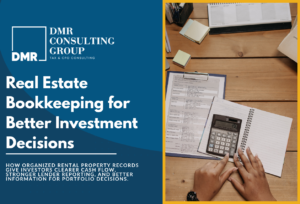

If you think real estate accounting is just about tracking rent checks and repair costs, you’re missing the bigger picture. At its best, your accounting system is the financial command center for your entire portfolio. It’s how you spot underperforming assets, identify tax-saving opportunities, and make data-driven decisions about your next move. It transforms a collection of properties into a streamlined, profitable business. This guide will show you how to move beyond basic bookkeeping and find comprehensive real estate accounting solutions that provide the strategic insights you need to truly scale your investments with confidence.
Key Takeaways
- Treat Accounting as Your Command Center: A strong accounting system does more than track transactions; it provides the data you need to spot financial trends, optimize cash flow, and make strategic decisions that directly support your investment goals.
- Prioritize Solutions That Simplify Complexity: The best accounting tool or service grows with you. Look for one that can easily manage multiple properties, automate repetitive tasks, and integrate with your other systems to create a single, reliable source of financial truth.
- Look Beyond Price to Find True Value: Your choice between software and professional services should align with your specific needs and growth plans. The right solution saves you time, minimizes costly errors, and provides strategic insights that make it an asset, not just an expense.
What Is Real Estate Accounting?
At its core, real estate accounting is the system you use to track all the money flowing in and out of your investment properties. But it’s so much more than just basic bookkeeping. Think of it as the financial command center for your portfolio. A solid accounting strategy helps you make smart, data-driven decisions, ensures you’re following all the rules, and protects the financial health of your investments. It’s what turns a collection of properties into a streamlined, profitable business.
Getting your accounting right is fundamental to growing your wealth through real estate. It’s how you spot opportunities to increase income, cut unnecessary costs, and prepare a tax strategy that lets you keep more of your hard-earned money. As an investor, you have a few different paths you can take to manage your books. Understanding these options is the first step toward building a financial foundation that supports your goals.
Software vs. Outsourced Services
One of the first decisions you’ll face is whether to manage your books yourself using software or to hire a professional firm. Using real estate accounting software can be a great way to simplify your finances, especially when you’re starting out. These tools help you track rental income and property expenses, often reducing the chance of manual errors. They put the control directly in your hands, which can be appealing if you enjoy being in the weeds of your business.
On the other hand, outsourcing your accounting gives you access to specialized expertise you won’t find in a software subscription. As your portfolio grows, the financial complexity increases. An expert team can handle the intricate details, offer strategic advice, and often save you money by identifying tax savings and efficiencies. It frees you up to focus on finding deals and managing your properties, rather than spending hours on spreadsheets.
The Core Parts of Real Estate Accounting
So, what exactly are you tracking? Real estate accounting involves several key components that work together to give you a complete financial picture. It’s not just about logging rent checks. A comprehensive system includes tracking all rental income, categorizing every expense from repairs to insurance, and properly calculating depreciation, which is a critical factor for your taxes.
Beyond those basics, effective accounting means actively managing your cash flow to ensure you can cover mortgages and unexpected costs. It also involves analyzing each property’s performance to see which investments are giving you the best returns. All of this is done while making sure you’re compliant with the latest tax regulations. Each piece is essential for building a clear, accurate, and strategic view of your portfolio’s health.
Handling Trust Accounts and Compliance
If you hold tenant security deposits or other funds on behalf of others, you’re dealing with trust accounts. This area of accounting is non-negotiable; it requires absolute precision and transparency to maintain compliance and the trust of your tenants. The rules for handling these funds are strict, and missteps can lead to serious legal and financial penalties. This is one area where a simple spreadsheet just won’t cut it.
As regulations become more stringent, maintaining clean and transparent books is more important than ever. Strong internal controls and detailed, property-level reporting are essential for staying compliant and being prepared for any audits. Having expert CFO services can help you establish these controls, giving you peace of mind and a solid foundation for growth.
Key Features to Look for in an Accounting Solution
When you’re evaluating accounting solutions, it’s easy to get lost in a long list of features. To simplify your search, focus on what will actually make a difference in managing your real estate portfolio. The right tools or services should not only keep your books in order but also provide insights that help you grow. Think about your day-to-day operations and your long-term goals. The best solution will be one that saves you time, handles complexity with ease, and gives you a clear financial picture whenever you need it.
Seamless Automation and Integration
Your time is your most valuable asset. A top-tier accounting solution should give you more of it back by automating repetitive tasks like data entry, bank reconciliations, and invoice processing. This not only reduces the chance of human error but also frees you up to focus on finding deals and managing your properties. Look for solutions that use technology to improve operational workflows and make your entire financial process smoother. When your accounting runs efficiently in the background, you can spend your energy on strategic decisions that build your wealth.
Multi-Property and Multi-Entity Support
As your real estate portfolio expands, so does its complexity. You might have multiple properties, each held in a separate LLC for liability protection. Your accounting solution must be able to handle this structure without creating a tangled mess. It should allow you to track the performance of each property individually while also giving you a consolidated view of your entire portfolio. Many investors find value in outsourced property accounting services that are built to manage everything from small family-owned portfolios to large investment funds, ensuring every entity is accounted for correctly.
Secure, On-the-Go Cloud Access
As an investor, you’re not always sitting at a desk. You need access to your financial data whether you’re on-site at a property, meeting with a lender, or analyzing a new deal from your home office. Modern accounting solutions should be cloud-based, giving you secure access to your information from any device, anywhere. This flexibility is non-negotiable. When vetting a service provider, ask if they use cloud-based accounting tools and have expertise in industry-standard software like Yardi, RealPage, or Appfolio. This ensures your data is both accessible and protected.
Connects with Your Property Management System
Your accounting software shouldn’t live on an island. To get a truly accurate and timely view of your finances, it needs to connect directly with your other systems, especially your property management software. This integration eliminates the need for double entry and ensures that data like rent payments, maintenance expenses, and occupancy rates flow seamlessly into your financial records. A solution that can connect different data systems creates a single source of truth, making reporting and project management far more effective and reliable.
Easy Financial Reporting and Tax Prep
Ultimately, the purpose of diligent accounting is to provide clear financial reports and make tax time as painless as possible. Your solution should generate easy-to-understand reports, like profit and loss statements by property, cash flow analyses, and balance sheets. This visibility is crucial for making informed decisions. Furthermore, a great accounting partner or software will streamline year-end tasks, offering comprehensive services that include everything from bookkeeping to tax preparation and K-1 delivery. This ensures you stay compliant and are always ready for tax season.
Comparing the Cost and Value of Your Options
Choosing an accounting solution feels a lot like choosing a property: the sticker price is only one part of the story. What truly matters is the long-term value and how well it fits your investment strategy. Whether you’re looking at software, professional services, or a combination of both, the goal is to find a solution that not only manages your finances but also helps your portfolio grow. Let’s break down the costs and, more importantly, the value you should expect from your options.
Understanding Software Costs
Real estate accounting software can seem straightforward, but the pricing models vary quite a bit. You might see monthly subscriptions based on the number of properties or units you manage, tiered plans that offer more features at higher price points, or even flat annual fees. To find the right fit, you need to understand how these pricing models align with your needs. For example, a basic plan might be great for tracking rent payments, but you may need a premium tier for advanced features like lease abstraction or compliance reporting. Look past the initial price and examine what each plan includes to ensure you’re getting the tools you need without paying for extras you won’t use.
The ROI of Professional Services
While software is a powerful tool, it can’t replicate the strategic insight of a human expert. Outsourcing your accounting to a specialized firm is an investment in your portfolio’s financial health. The return on investment (ROI) comes from having professionals who can do more than just balance the books. They can identify tax-saving opportunities, streamline your financial operations, and offer strategic advice based on years of industry experience. This access to specialized expertise often leads to significant cost advantages and helps you avoid expensive mistakes, turning an operational expense into a profit-driving asset.
The DMR Consulting Group Approach
We built DMR Consulting Group because we saw a gap between what standard accountants offer and what real estate investors truly need. Our team is made up of experienced real estate investors, so we don’t just understand the numbers; we understand your goals and challenges from a firsthand perspective. We use a data-driven approach to provide comprehensive advisory and financial services, from accounting and tax planning to fractional CFO support. Our goal is to act as your strategic partner, helping you maximize gains and minimize tax liabilities so you can focus on growing your portfolio with confidence.
Looking Beyond Price: Long-Term Value and Hidden Costs
The cheapest option today can easily become the most expensive one tomorrow. The hidden costs of an inadequate accounting solution can be steep, including missed tax deductions, compliance penalties, and countless hours spent correcting errors. When you evaluate your options, think about the long-term value. A great accounting partner brings real estate-specific expertise and streamlined workflows that save you time and money down the road. The right solution should feel like a strategic asset, one that provides peace of mind and scales with you as your portfolio expands.
How to Choose the Right Solution for Your Business
Picking the right accounting solution is a major decision for any real estate investor. It’s not just about tracking income and expenses; it’s about setting up a financial system that supports your portfolio’s growth and simplifies your life. The best choice depends entirely on your specific situation, from the complexity of your properties to your long-term investment goals.
Instead of just grabbing the most popular software or the cheapest service, take a step back. A thoughtful approach will help you find a solution that fits your business like a glove. By evaluating your needs, understanding your challenges, and looking toward the future, you can confidently choose a path that saves you time, money, and headaches. Let’s walk through the key steps to making that decision.
Assess Your Portfolio’s Needs
First, take a clear-eyed look at your portfolio. Are you managing a few single-family rentals, or do you have a mix of multi-unit residential and commercial properties? The complexity of your holdings will dictate the level of support you need. A simple portfolio might get by with basic software, but a more diverse one requires robust tools for tracking multiple entities and handling complex transactions.
Think about the day-to-day financial tasks you handle. Do you need help with rent collection, CAM reconciliations, or detailed financial reporting for partners? Some firms use new technology to make accounting processes smoother and more efficient. Understanding these operational needs is the first step in finding a solution that truly works for you, rather than creating more work.
Software vs. Services: Making the Call
The next big question is whether to use DIY accounting software or hire a professional service. Software can be cost-effective and gives you direct control, but it comes with a steep learning curve and demands your time. You’re not just paying for the subscription; you’re paying with the hours you spend learning the system and inputting data.
On the other hand, outsourced accounting services let you hand off these tasks to experts. This frees you up to focus on what you do best: finding deals and managing your properties. While it involves a bigger financial investment, the return on your time can be massive. Our expert CFO services, for example, go beyond bookkeeping to provide strategic financial guidance that helps you grow your portfolio intelligently.
Pinpointing Your Current Financial Challenges
Get specific about what’s causing you the most stress right now. Are you constantly behind on bookkeeping? Do you dread tax season because your records are a mess? Many investors struggle with common accounting challenges, like accurate lease accounting, managing security deposits, and generating clear reports for lenders.
Make a list of your top three to five financial pain points. Maybe it’s cash flow management, tracking capital expenditures, or simply not having a clear picture of each property’s profitability. Identifying these specific problems will act as your guide. When you evaluate software or a service, you can ask directly how it solves these exact issues. This ensures you’re investing in a solution, not just another tool.
Aligning a Solution with Your Growth Goals
Finally, think about where you want your portfolio to be in five years. The solution you choose today should be able to grow with you. The last thing you want is to outgrow your accounting system and have to start this entire process over again in a few years. A scalable solution is key.
Look for services that can expand as your business does. For instance, you might start with basic bookkeeping and later add on more advanced tax strategies or strategic financial planning. As we are investors ourselves, we at DMR Consulting Group design our advisory services to be flexible, creating custom plans that adapt to your evolving needs. Choosing a partner who understands the real estate growth journey ensures your financial back office is always ready for what’s next.
Related Articles
- The Ultimate Guide to Real Estate Accounting
- 7 Best Landlord Accounting Software for 2026
- Real Estate CPA: The Ultimate Guide for Investors
Frequently Asked Questions
I only have a couple of properties. Is using software enough, or should I consider a professional service? Using software is a great starting point, and for many investors with one or two properties, it can work just fine. The real question to ask yourself is what your time is worth. If you find yourself spending hours on data entry that you could be using to find your next deal, it might be time to consider a service. The tipping point also comes as your portfolio gets more complex. Once you start using different LLCs or need to provide detailed reports to partners, the value of having an expert team becomes much clearer.
What makes real estate accounting so different from accounting for other types of businesses? Real estate has its own financial language. Unlike a typical business that sells products, real estate involves unique factors like calculating property depreciation, distinguishing between a repair expense and a capital improvement, and managing tenant security deposits in trust accounts. Plus, the tax strategies are highly specific, involving things like 1031 exchanges and cost segregation studies. A general accountant might know the basics, but a real estate specialist understands the specific rules and opportunities that can save you a significant amount of money.
Isn’t hiring an accounting firm just an extra expense? How does it provide a return? It’s natural to view it as an expense, but it’s more accurate to see it as an investment. A good accounting firm doesn’t just record your transactions; they provide a return by finding opportunities you might miss. This could be through strategic tax planning that minimizes your liability, improving your cash flow so you have more capital for new investments, or helping you avoid costly compliance mistakes. The goal is for the money you save and the growth you enable to far outweigh the cost of the service.
My finances feel disorganized. What’s the first practical step I should take to get on track? Don’t try to tackle everything at once. The best first step is to get a clear snapshot of where you stand today. Pick one of your properties and gather all the financial documents for the last three months: bank statements, loan statements, receipts for expenses, and rent roll. Getting this small data set organized will make the larger task feel much more manageable. It also gives you a solid foundation for a conversation with a professional who can then help you build a system for the entire portfolio.
How does a good accounting system help with more than just tax preparation? While making tax season painless is a huge benefit, a strong accounting system is fundamentally a decision-making tool. It gives you clear, property-by-property performance reports so you know which investments are truly profitable and which might be underperforming. When you want to secure financing for your next purchase, having clean, professional financial statements makes you a much stronger candidate for lenders. It transforms your portfolio from a collection of assets into a streamlined business you can confidently grow.