

Taking cash out of a rental property creates a sudden flow of money and new debt entries. This shift needs careful tracking to keep your financial reports correct for lenders and tax records.
Need help with your real estate books? Contact DMR Consulting Group today to talk to an expert.
Cash-out refinance rental property accounting focuses on recording new loan money, paying off old debt, and tracking set costs. When you close the loan, the cash is loan money rather than taxable income, so it does not raise your rental profit. According to DMR Consulting Group, the payoff of loan principal is not a deduction, though the interest may be if used for business. You must also account for closing costs and escrow funds, which often need to be spread over the life of the new loan. Saving the right records keeps your balance sheet correct and your debt-service ratio clear for new loans.
Handling the flow of funds and new debt needs a clear view of how these changes hit your reports. Knowing What does a cash-out refinance change in your rental property’s books? is the first step toward keeping clean records. Here is how.
Cash-out Refinance Rental Property Accounting: What does a cash-out refinance change in your rental property’s books?
A cash-out refinance changes how you track debt on your property. It moves money from equity into your bank account. In your books, this shift is not income. It is a new debt that you must record. You need to track the new loan and the old loan payoff. This change mostly hits your balance sheet, not your profit and loss.

Separating loan money from rental income
When you get cash from a refinance, it feels like a big win. But you must not count this money as sales. Cash-out funds are not taxable rental income for your portfolio. The IRS treats the cash as loan money. Since you must pay the money back, it is a debt, not a gain.
This rule changes how you view your cash flow. You get a lump sum now, but you have a larger debt to pay later. You cannot deduct the principal part of your new loan payments. Only the interest is a business cost. Mixing these up can lead to errors in your tax filings. It can also make your property look more gainful than it really is.
How to record the new loan and payoff
You need a clear chart of accounts for rental property to handle this task. Start by recording the payoff of your old mortgage. This step clears the old debt from your books. Next, record the new, larger loan as a new debt. The cash you keep goes into your bank account.
You also have to deal with closing fees. These costs are often taken out of the loan funds. You do not list them as a one-time expense. Most settlement fees and costs must be added to the basis of your property. This means you recover the cost over many years through depreciation. Keeping these records straight helps you track your true equity in the property.
Managing amortized costs and interest
Refinancing often comes with extra fees like mortgage points. You cannot deduct all these costs in the year you pay them. Instead, you must spread them out over the term of the loan. This is called amortization. You take a small deduction each year until the loan is paid off.
Interest is another key part of your books. You can deduct interest if the money is used for your business. If you use the cash to buy a new rental, the interest is a business cost. If you use the cash for a personal trip, you cannot deduct that part of the interest. Tracing how you use the cash is vital for your tax prep. Accurate books will show lenders that you have a solid plan for your properties.
How should you record a cash-out refinance at closing?
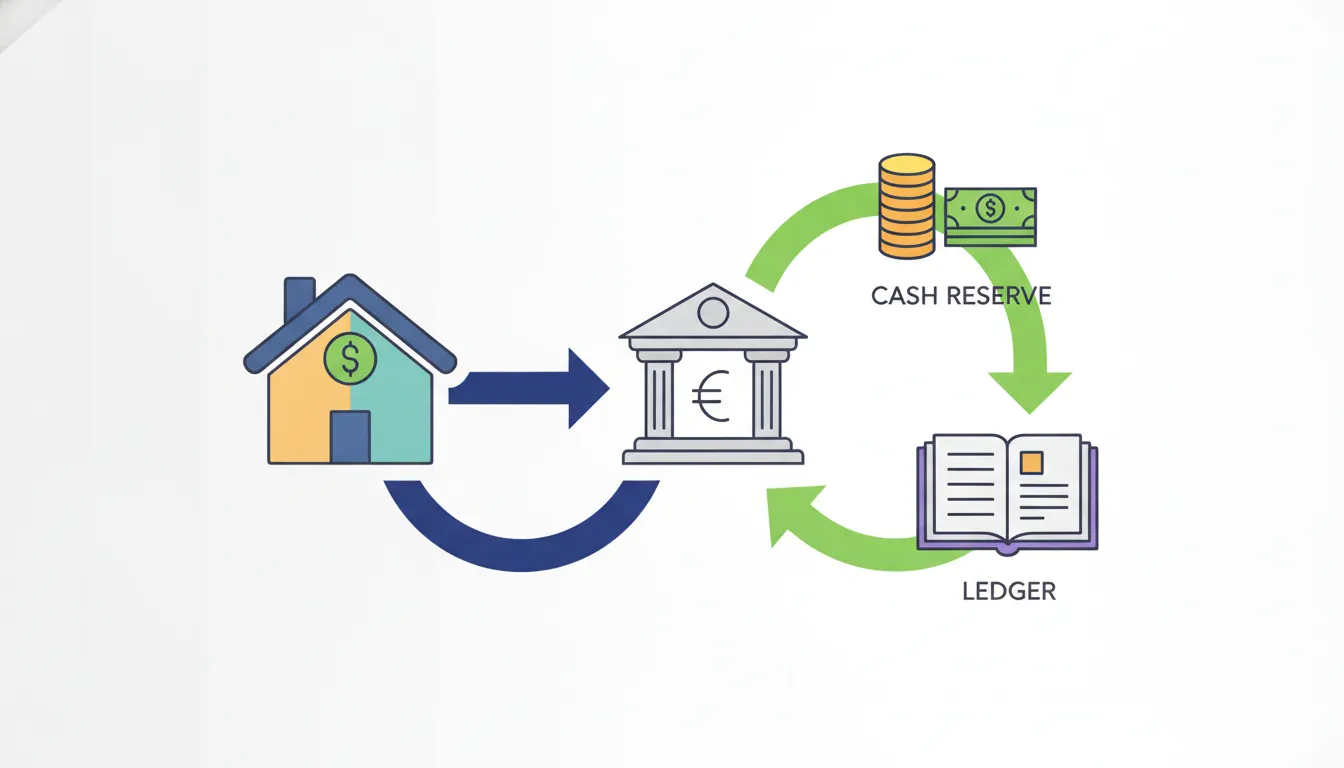
Recording a cash-out refinance needs a clear set of steps on the day you close. You must track where every dollar goes to keep your records clean. This ensures your chart of accounts for rental property stays right. Most investors use the settlement statement to find these figures. This document shows the flow of funds from the lender to you and other parties. You need to break down the gross loan into its parts to avoid errors.
Look at the settlement statement
The settlement statement is your main source of data for the closing day. It lists the new loan amount, the old loan payoff, and all fees. You should look for the gross loan amount first. This is the full debt you now owe to the new lender. Next, find the line for the old mortgage payoff. This amount reduces your previous debt to zero in your books. Any gap between the new loan and the payoff usually goes toward fees or cash in your pocket.
You may also see items for property taxes or insurance. These are often called “prepaids” because you pay them before they are due. Lenders use these funds to set up an escrow account for your property. You must record these as assets on your balance sheet until the lender pays the bills. Tracking these small details helps you stay ready for any audit. It also makes your lender ready financial statements more precise for future deals. A clear view of your escrow balance is a key part of smart portfolio management.
Set up the journal entry parts
A good journal entry for a cash-out refinance balances several accounts at once. You will credit the new loan account for the full principal amount. Then, you debit the old loan account to clear that debt. Any cash you get from the deal goes to your bank account as a debit. Accounting for rental property loans also means tracking fees. The IRS states that most settlement fees and costs must be added to your property basis or loan costs.
You should use a separate line for each fee type to make things easy. Some fees are for the loan, like an appraisal or credit report. Other fees are for the title search or recording the deed. Putting these in the right spots keeps your tax return simple. If you receive a large check at closing, that is your “cash-out” portion. This money is not income, so you do not pay tax on it right away. It is just more debt that you have taken on against the property.
You must also trace how you use the cash you take out. Interest is only deductible if you use the money for your business. If you buy a new rental house, the interest on that part of the loan is a business cost. But if you buy a personal car, you cannot deduct that portion of the interest. This “tracing rule” is vital for tax time. You should keep a log of where the cash-out funds go after they hit your bank account. This proof is needed to back up your interest deductions if the IRS asks.
- Find the new loan: Identify the gross new loan amount from the settlement statement.
- Close the old mortgage: Debit the existing mortgage balance to clear the old loan account.
- Classify closing costs: Record capitalized closing costs separately based on their treatment.
- Track escrow: Account for escrow transfers for property taxes and insurance.
- Record cash proceeds: Debit the net cash received in the business bank account.
- Balance the entry: Confirm that total debits match total credits.
Track points and prepaid items
Mortgage points are a common cost in these deals. You pay these to get a better interest rate from the lender. You cannot deduct these points all at once for a rental house. Instead, you must deduct points ratably over the life of the loan. If your loan lasts thirty years, you take a small piece of the deduction each year. This rule applies even if you paid the points with cash out of your own pocket. Tracking this over time is easier with a good accounting system.
Prepaid interest is another item you will likely see. This covers the interest from the closing date until the end of the month. You should record this as an interest expense in the month of the closing. Proper tracking ensures your profit and loss statement shows the true cost of the loan. Keeping these details straight helps you manage a large portfolio with ease. You can then focus on growing your assets instead of fixing old books. Clean data today means better choices for your business tomorrow.
How should refinance closing costs be classified?
Getting a new loan for a rental home has many fees. You must group these costs the right way for your chart of accounts for rental property. The way you track these fees changes how you report them to the IRS. Most costs are not a full tax cut in the year you pay them. Instead, you must spread them out or add them to the value of the house. This keeps your records clean and helps you stay ready for a tax review.
The right grouping is vital when you have many homes. It ensures your cash flow reports show the real health of your set of homes. When you work with Accounting and CPA Services, they can help you sort these fees. This avoids errors that could lead to big bills later. You should treat each fee based on what it does for the loan or the house.
Costs spread over the loan
Fees you pay to get the loan are usually loan costs. You do not take them all off at once. For example, mortgage points must be taken off over the full life of the loan. This rule comes from IRS Topic 504. If you have a 30-year loan, you take a small part of that cost each year. This process spreads the cost over time. It matches the cost to the time you use the loan.
Lender fees like credit reports or loan fees fall into this group. You should track these in your accounting for rental property loans as a separate asset. Each year, you move a portion from the asset to an expense. This keeps your books in line with tax laws. It also helps you track the true cost of your debt over time. Keeping these facts straight is key for your money results.
Costs added to the house value
Some fees do not relate to the loan itself. Instead, they relate to the title of the home. Legal fees and title plans are good examples. These are usually added to the basis of the property. This rule is found in IRS Publication 527. This means you do not take them off now. Instead, they lower your tax when you sell the home later.
Filing fees and survey costs also belong here. These costs stay with the building for as long as you own it. You must keep good records of these for many years. Losing these receipts can cost you money when it is time to sell. Good records protect your gains and show the IRS that your math is right. Always save a copy of your final closing sheet for your files.
Current year fees and escrow
Not all cash at the closing table is a cost. Some is just moving money from one spot to another. Prepaid interest and tax escrow are common. You can often take off the interest you pay at closing in the same year. This is because it is a direct cost of using the money for your business. It is a simple way to lower your tax bill now.
Escrow funds are different. This is just your money held by the lender for future bills. You only take off the taxes when the lender actually pays them. Do not count the full escrow deposit as a cost on day one. Track these in a separate spot on your books. This ensures you do not double count costs or miss a real tax cut later. It keeps your money tracking simple and clear.
Tracing cash out funds
If you do a cash-out deal, you must track how you use the extra money. Interest on a cash-out loan is only a tax cut if you use the funds for business tasks. This is called interest tracing. If you use the cash to buy a car for fun, that part of the interest is not a tax cut. This is a common trap for many investors. You must be careful with how you spend the cash.
Keep the cash in a separate bank account until you spend it. This makes it easy to show the IRS where the money went. It helps you stay in line with the rules for Tax Services. Clear paths for your money make for a smooth tax season. It also helps you see the real return on your cash-out plan. This active step saves you stress during an audit.
| Group | Tax Rule | When to Deduct |
|---|---|---|
| Loan Fees | Spread over loan term | Yearly as an expense |
| Property Basis | Add to house value | When you sell the home |
| Direct Expenses | Take off in current year | In the year you pay |
What happens to escrow balances after refinancing?
When you get a new loan on a rental home, you start a new deal. Your old loan is paid off in full. Since that loan ends, the old escrow account must close too. This change can feel messy because cash moves in two ways at the same time. You must handle the check from your old lender while funding a new account with your new lender.
Getting your old escrow refund
Once your old loan is paid, the bank no longer needs your escrow cash. They use this account to pay your property taxes and insurance. Any money left in that account belongs to you. By law, lenders must send this balance back to you after the loan ends. Most people get a check in 20 to 30 days.
It is vital to know that this refund is not free money. It is just the return of your own cash that the bank held for you. You should track this check to make sure it matches the final statement from your old bank. If you do not see the funds within a month, call your old loan company. They can give you the facts on the final payout.
Funding the new escrow account
Your new lender wants to make sure your taxes and insurance stay paid. To do this, they set up a new account at closing. You will need to put a new deposit in this account. This money is often listed as a “prepaid” item on your closing forms. The amount depends on when your next tax bill or insurance bill is due.
This new deposit can sometimes feel like a double payment. You are paying into a new account before you get the check from the old one. This is a common part of the chart of accounts for rental property owners. You must plan for this gap in cash flow when you choose to refinance. The new lender needs enough funds to cover the first few bills that come due soon.
Accounting for escrow changes
For most owners, the biggest risk is naming these moves wrong in their books. You should not record the escrow refund as rental income. Doing so would make your profit look too high. This change can lead to a bigger tax bill. Instead, you should record the refund as a return of an asset. In fact, it lowers your escrow asset balance.
Based on IRS rules for rental property, you must keep clear records of all costs. This includes the cash moved into your new escrow account. When you close the old loan, you must check the math to bring the old escrow balance to zero. Then, you record the new deposit as a new asset on your books. This keeps your data clean for tax time.
Tracking these steps helps you see the real cost of your loan. A cash-out refinance rental property accounting plan needs you to split these items. You should separate loan debt from escrow deposits and closing fees. If you own many homes, using a steady system is the best way to avoid errors. This clarity makes it easy to track your cash and your net worth over time.
Keep your final closing forms and the refund check stub in your files. These records prove that the check was a return of funds and not a profit. Your CPA needs these to check your loan payoff and your new costs. Having these facts ready saves time during your tax filing. It ensures your books match the reality of your new loan deal.
How do you report debt service after the refinance?
A cash-out refinance changes your monthly cash flow. You must update your records to show the new loan details. This process starts with the first payment to your new lender. It needs you to look closely at each part of your payment so your books stay clean.
Principal and interest tracking
Your new mortgage payment will have two main parts. One part pays down the loan balance. The other part is the interest charge. You must record these parts apart in your books. Only the interest part is a deductible rental expense. You must track the principal as it lowers your debt balance.
You should get a new amortization schedule from your lender. This list shows how much goes to each part every month. Use this to keep your chart of accounts for rental property correct. Based on the IRS, most settlement fees must be added to your basis or the loan cost rather than taken at once. This ensures your tax filings stay in line with current tax rules.
Escrow and impound account tracking
Many lenders need an escrow account for taxes and insurance. These monthly payments are not expenses yet. Instead, you record them as a current asset on your balance sheet. This shows that you have money set aside for future costs, much like a savings account at the bank for your property.
When the lender pays the tax or insurance bill, you move that amount from the asset account to an expense account. This keeps your profit and loss statement correct. If you do not track this well, your books will show large spikes in costs. This can make your property look like it has less of a gain than it truly does in some months.
Cash flow and debt balance reporting
Your new loan amount will likely be higher, so this change must appear on your balance sheet. You also need to watch your new debt service coverage ratio closely. Higher payments can lower your monthly net cash flow. You need to know how much cash stays in your pocket after all property bills are paid.
A clear view of your debt helps you make better choices for your portfolio. Our CFO services can help you track these metrics across many properties. This data is vital for making reports that show your growth. These reports show banks that your business is strong and ready for more growth in the future.
When should you get professional accounting help?
Managing the books for a rental property after a cash-out refinance gets hard fast. You must track loan payoffs, closing fees, and new escrow balances. If you own many properties, this work takes time and can lead to errors. A firm that knows real estate can help you keep your records clean and ready for your next loan.
You may want to hire a pro when your portfolio grows or your debt becomes complex. High-quality accounting and CPA services ensure your financial records stay accurate. This is vital for cash-out refinance rental property accounting. The right team helps you track every dollar and shows you the true health of your investments.
Complex ownership and debt structures
Refinancing one property is simple, but it gets harder when loans cover many assets. Cross-collateralization occurs when one loan uses more than one property as security. This makes it tough to know how much debt each house or building carries. Professional accountants help split these costs and track equity for each asset.
Complex ownership like syndications or private equity groups also needs expert care. These groups often have many partners and strict rules for reporting. You need to provide lender ready financial statements to keep your partners and banks happy. A pro can manage these details so you can focus on finding more deals.
Managing debt service and portfolio reporting
Tracking interest and principal payments is a big part of rental property bookkeeping. Interest on a cash-out refinance is usually deductible if you use the funds for business or investment. However, you must be able to trace where the money went to stay safe. Clear real estate portfolio reporting shows how each loan affects your cash flow.
Fractional CFO services can help you look at the big picture. They track key metrics like debt-service coverage ratios and loan-to-value caps. Most lenders cap the loan-to-value ratio at 75% for rental property refinances. A CFO helps you plan your next move and ensures you have the cash you need to grow your portfolio.
Tracking fees and closing costs
Closing costs and settlement fees are not simple to record. These costs are often added to the value of your property or your loan. According to the IRS, you must deduct mortgage points over the full term of the loan. This means you cannot deduct the full cost in the year you pay it.
Recording these fees correctly prevents issues during a tax audit. A real estate accountant knows which costs to capitalize and which ones to expense. They set up a proper chart of accounts for rental property to keep your data organized. This level of detail helps you maximize your deductions and protect your profits.
Frequently Asked Questions
How do you record a cash-out refinance for a rental property in accounting?
You must track the new loan balance, the payoff of the old mortgage, and any cash you receive. Record the new loan as a debt on your balance sheet. The cash from the bank increases your cash account. Use a rental property chart of accounts to keep these details in order. This helps you track each part of the deal correctly for your records and tax filings.
Are cash-out refinance proceeds taxable on a rental property?
No, cash-out proceeds are not seen as taxable income for your rental business. The IRS treats this money as loan proceeds rather than rent or profit. You do not need to report the cash you receive as income on your tax return. However, you cannot deduct the repayment of the loan principal as a cost. Only the interest part of your new mortgage payment remains a deductible expense for your investment property.
How do you handle closing costs on a rental property refinance?
You usually cannot deduct all closing costs in the year you pay them. Fees like mortgage points must be deducted slowly over the full life of the loan. According to the IRS, other settlement fees are often added to the basis of your property. This means you recover the costs through depreciation or when you sell the home. It is vital to track these costs in your ledger to ensure your accounting stays correct.
How much equity do I need for a cash-out refinance on a rental property?
Most lenders need you to have a large amount of equity before they approve a cash-out loan. For investment properties, many banks cap the loan-to-value ratio at 75 percent. This means you must leave at least 25 percent equity in the property after the new loan is funded. Lenders use the appraised value of the home to find this limit. Keeping this equity helps lower the risk for the bank and protects your investment.
Ready to simplify your refinance accounting?
Waiting to sort out your loan data puts you at risk for big errors on your tax return. Poor records can lead to lost tax breaks or messy audits that cost you a lot of money and slow down your next real estate deal. You can get clear books now to help you build lender ready financial statements that show your true profit and cash flow for the year. Starting today will save you a lot of time and major stress when the next tax season arrives and you need clean data. We work with you to make sure every line on your balance sheet is correct so you can grow your portfolio with confidence. Do not let fuzzy math or bad data keep you from reaching your financial goals this year.
Ready to simplify your refinance accounting? Contact DMR Consulting Group to schedule a consultation.