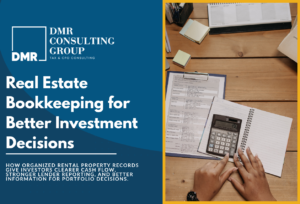

A successful real estate portfolio is built on more than just great properties; it’s built on great data. Your financial records are the language of your investments, telling you what’s working and where to focus your energy. When your books are a mess, you’re flying blind. This guide is your translator. We’ll move beyond the basics and show you how to implement real estate accounting best practices that provide true clarity. You’ll learn how to structure your finances, track key metrics, and turn your accounting from a reactive chore into a proactive tool for making data-driven decisions.
Key Takeaways
- Separate Your Finances from Day One: Open dedicated business bank accounts and credit cards for your real estate investments. This simple action protects your personal assets, makes tax preparation much easier, and gives you a clear, accurate picture of your portfolio’s profitability.
- Make Financial Reviews a Regular Habit: Don’t let bookkeeping pile up. Schedule time each month to review your financial reports, like the profit and loss statement, to monitor cash flow, spot trends, and catch errors before they become major problems.
- Use Your Data for Strategic Growth: Treat your accounting records as a tool for making smarter decisions. Analyze key metrics like Net Operating Income to evaluate property performance, and use powerful tax strategies like depreciation to improve your overall returns.
What Are the Core Principles of Real Estate Accounting?
Real estate accounting is the language of your investment portfolio. Getting the fundamentals right gives you a clear picture of your financial health and empowers you to make smarter decisions. Think of it as the foundation for your investments. The three pillars of this foundation are recognizing revenue, tracking expenses, and managing assets. Let’s look at how to handle each one.
How to Recognize Revenue
Knowing when to count your income is the first step. For rental properties, revenue is typically recognized in the month it’s due, even if your tenant pays early or late. This gives a more accurate view of performance over time. If you sell a property, you’ll recognize the revenue at the closing date. The key is consistency. By applying the same rules every time, you create reliable financial statements to track growth and secure financing. Our accounting and CPA services can help you establish a consistent revenue recognition process from day one.
How to Categorize and Track Expenses
Every dollar you spend on your properties needs a home. Sorting your expenses into specific categories like advertising, insurance, repairs, and property taxes is essential. This isn’t just about being organized; it’s a critical part of your financial strategy. Proper categorization shows you exactly where your money is going, helping you improve cash flow. More importantly, it ensures you can claim every eligible deduction when tax season rolls around. Keeping detailed records of each transaction is non-negotiable for maximizing your returns. A solid expense tracking system is the backbone of effective tax services.
How to Manage Assets and Depreciation
Your properties are your biggest assets, and managing them correctly on your books is crucial for long-term strategy. This includes tracking depreciation, a powerful tax benefit that allows you to deduct a portion of your property’s cost over several years. It’s a non-cash expense, meaning you get the tax deduction without spending any actual money. It’s also important to distinguish between a repair (an immediate expense) and a capital improvement (an upgrade that adds value and is depreciated over time). Understanding these concepts is central to strategic asset management and a key focus of our CFO services.
How Should You Structure Your Finances?
A solid financial structure is the bedrock of successful real estate investing. Without it, you’re essentially flying blind, making it impossible to accurately gauge profitability or make smart, strategic moves. Getting your finances organized from day one prevents a world of headaches, simplifies tax time, and gives you a clear view of your portfolio’s health. It’s about creating a system that separates your personal life from your business, making every dollar easy to track and account for. This isn’t just about good bookkeeping; it’s about protecting your personal assets and making informed, data-driven decisions that grow your wealth. When your finances are structured properly, you can confidently analyze performance, identify opportunities, and plan for the future. It’s the difference between feeling overwhelmed by a shoebox of receipts and feeling in control of your financial destiny. Our team of experienced investors at DMR has seen firsthand how a strong financial framework can transform an investment strategy. We can break down this essential process into three core actions: setting up dedicated accounts, maintaining strict financial boundaries, and creating a smart system for allocating your expenses. Mastering these will set you up for long-term success and give you the clarity needed to scale your portfolio.
Set Up Dedicated Business Accounts
This is the first, non-negotiable step in professionalizing your real estate investments. Open a separate business bank account for all your rental income and expenses. This simple action creates a clean financial record, making it infinitely easier to track your cash flow and prepare for tax season. Consider opening a dedicated business credit card as well, which helps consolidate all your property-related purchases in one place. As one CPA firm puts it, this separation “keeps your money separate and protects your personal savings.” Think of these accounts as the clean containers for your business activity, preventing any spillover into your personal finances from the very beginning.
Maintain Clear Financial Boundaries
Having separate accounts is one thing; using them correctly is another. You must maintain a strict wall between your business and personal finances. This means every single transaction related to your properties, from a tenant’s rent deposit to a trip to the hardware store for repairs, should go through your business accounts. This practice saves time and offers crucial legal protection. Mixing funds can lead to a situation known as “piercing the corporate veil,” which could put your personal assets at risk in a lawsuit. Our accounting and CPA services can help you establish and manage these systems to ensure your personal wealth is always protected.
Create an Expense Allocation System
Once your money is flowing through the right accounts, the next step is to categorize it. An expense allocation system means you sort every dollar spent into specific buckets like advertising, repairs, insurance, property taxes, and utilities. This isn’t just for tidiness; it’s a strategic move. Correctly categorizing expenses is essential for maximizing your deductions and ensuring you have an accurate picture of where your money is going. This detailed tracking helps you analyze the performance of each property and identify areas where you can cut costs. A well-organized system is your best friend during tax season, and our expert tax services can help you build a framework that captures every possible deduction.
What Are the Keys to Good Record-Keeping?
Solid record-keeping is the bedrock of a successful real estate portfolio. It’s not just about staying organized for tax season; it’s about having a crystal-clear view of your financial health at all times. When your records are meticulous, you can track property performance, manage cash flow, and make confident, data-driven decisions. Think of it as creating a financial map for your investments. Without it, you’re just guessing. The good news is that building a great system isn’t complicated. It just requires consistency and attention to a few core principles.
Create Detailed Transaction Logs
Your first step is to document every single dollar that moves in or out of your business. Every transaction, no matter how small, impacts your bottom line and your tax situation. For each entry, you should log the date, amount, vendor, the property it relates to, and a clear description. This detailed log allows you to see exactly where your money is going and which properties are the most profitable. This level of financial clarity is essential for strategic planning and is a key focus of our expert CFO services, which help you turn raw data into actionable insights for growth.
Organize Your Supporting Documents
A transaction log is only as good as the proof that backs it up. You need to keep all your supporting documents organized and accessible. This includes receipts, bank statements, invoices, closing documents, and lease agreements. The IRS requires receipts for any expense over $75, but it’s a good habit to save everything. These documents are your proof if you ever face an audit and are essential for accurate bookkeeping. Having a system to file them, whether digital or physical, saves you from stressful searches later. Our accounting and CPA services can help you establish a foolproof system for managing this documentation.
Establish a Regular Review Schedule
Don’t let your bookkeeping pile up until the end of the year. The most successful investors I know check their finances regularly. Set aside time at least once a month to review your transaction logs, reconcile your bank accounts, and look over your financial statements. This monthly habit helps you catch errors early, monitor your cash flow, and stay on top of your budget. It transforms accounting from a reactive chore into a proactive tool for making smarter decisions. This consistent oversight allows you to adjust your strategy in real-time and is fundamental to achieving sustainable, strategic growth.
Choose Your Storage: Digital vs. Physical
How you store your records is just as important as creating them. While a physical filing cabinet can work, digital storage is often more efficient, secure, and convenient. Using accounting software designed for real estate can make your bookkeeping much easier and more accurate. Many cloud-based platforms allow you to sync your bank accounts and even snap photos of receipts with your phone, automatically organizing them. This not only saves you time but also protects your vital records from loss or damage. Adopting the right technology is a cornerstone of the data-driven methods we use at DMR Consulting Group to help investors streamline their operations.
How Can Technology Simplify Your Accounting?
Let’s be honest, you didn’t get into real estate to spend your weekends buried in spreadsheets. Technology is your best friend when it comes to streamlining your accounting, giving you back valuable time while making your financial data more accurate and useful. By embracing the right tools, you can move from reactive record-keeping to proactive, data-driven decision-making. Think of it as building a smart, efficient engine for your investment portfolio that runs smoothly in the background.
The right tech stack helps you track income and expenses with less effort, monitor your portfolio’s health in real time, and collaborate seamlessly with your financial team. Instead of wrestling with manual data entry, you can focus on what you do best: finding and managing great properties. Getting your systems in order is the first step toward creating a scalable and profitable real estate business. It’s about working smarter, not harder, and using technology to gain a competitive edge. This shift not only improves your day-to-day operations but also provides the clean, reliable data needed for strategic tax planning and securing financing for your next deal. When your books are organized and up-to-date, you’re always prepared for opportunities and challenges.
Choose the Right Accounting Software
The first step is to select accounting software built specifically for real estate investors. While generic accounting tools are fine for some businesses, they often fall short when it comes to the unique demands of property investment. You need a system that can effortlessly track finances on a per-property basis, manage tenant security deposits, and properly categorize real estate-specific expenses like repairs, property taxes, and insurance.
Using a specialized platform makes bookkeeping significantly easier and more accurate. It provides a clear financial picture of each property, helping you understand which assets are performing well and which may need attention. This detailed tracking is the foundation for sound financial management and strategic tax planning. If you’re unsure where to start, working with expert accounting services can help you select and implement the perfect software for your portfolio’s needs.
Automate Routine and Recurring Tasks
One of the biggest benefits of modern accounting software is automation. You can set up systems to handle repetitive tasks automatically, which saves a surprising amount of time and reduces the risk of human error. Think about automating rent payment reminders, late fee calculations, and the categorization of recurring monthly expenses like mortgage payments, HOA fees, and property management costs.
According to REI Hub, automating these processes is key to scaling your business effectively. When your software handles the tedious work, you’re free to concentrate on higher-value activities, like analyzing new deals or focusing on tenant relations. This efficiency allows you to manage a growing portfolio without getting overwhelmed by the administrative burden that comes with it.
Use Cloud Solutions for Real-Time Monitoring
Cloud-based accounting solutions give you the power to access your financial data anytime, anywhere. This is a game-changer for busy investors who are constantly on the move. Whether you’re at a property, meeting with a lender, or on vacation, you can pull up your financial reports on your laptop or phone. This real-time access enables you to make quick, informed decisions based on the most current information available.
Cloud platforms also make it easy to digitize receipts and track business mileage with simple mobile apps, ensuring you capture every deductible expense. This level of organization not only simplifies tax time but also facilitates seamless collaboration with your accountant. Having a live, accurate view of your finances is fundamental to the kind of high-level financial strategy provided by strategic CFO services, allowing for proactive planning and analysis.
Which Financial Reports Matter Most?
Keeping good records is step one, but the real magic happens when you transform that raw data into financial reports. Think of these reports as the health charts for your real estate portfolio. They tell you what’s working, what isn’t, and where your money is actually going. Without them, you’re essentially flying blind. Regularly reviewing a few key documents will give you the clarity you need to make smart, data-driven decisions. Let’s walk through the three most important reports every real estate investor should understand and use.
Review Your Profit and Loss (P&L) Statement
The Profit and Loss (P&L) statement is your go-to report for answering one simple question: Is this property making money? It summarizes your rental income and subtracts all your operating expenses, like repairs, insurance, and property management fees, over a specific period. The final number shows your net profit or loss. I recommend looking at your P&L every single month. This regular check-in helps you spot trends before they become problems. For example, you might notice maintenance costs are creeping up or that a vacancy is hitting your bottom line harder than you expected. Consistent P&L analysis is a core part of our accounting and CPA services because it provides the fundamental insights needed for growth.
Analyze Your Balance Sheet and Cash Flow
While the P&L shows profitability over time, the balance sheet gives you a snapshot of your financial position at a single moment. It lists everything you own (assets like properties and cash) and everything you owe (liabilities like mortgages and other loans). The difference between the two is your net worth, or equity. Alongside this, you need to watch your cash flow statement, which tracks the actual money moving in and out of your bank accounts. This is crucial because a property can be profitable on paper but still have negative cash flow, leaving you without funds to pay the bills. Together, these reports give you a complete picture of both your long-term wealth and your immediate financial stability.
Generate Property-Specific Performance Reports
To truly optimize your portfolio, you need to move beyond general reports and analyze how each individual property is performing. This is where property-specific reports come in. These detailed statements help you identify your star performers and your underachievers. One of the most important metrics to track here is Net Operating Income (NOI), which calculates a property’s revenue minus its day-to-day operating expenses. NOI gives you a clear measure of a property’s ability to generate profit. By comparing the NOI across your portfolio, you can make informed decisions about where to invest more resources or which properties might be good candidates to sell. This level of strategic analysis is exactly what our CFO services are designed to provide.
How Can You Use Financial Data to Make Better Decisions?
Good accounting does more than just keep you organized for tax season; it hands you a roadmap for your investment journey. When you have clean, accurate financial data, you can move from making educated guesses to making data-driven decisions. This is where your portfolio really starts to gain momentum. By looking at the right numbers, you can see what’s working, what isn’t, and where your next big opportunity lies. It’s about transforming your financial records from a historical document into a strategic tool for future growth.
Analyze Key Performance Metrics
Think of your financial reports as your portfolio’s health checkup. Regularly reviewing key performance metrics (KPIs) like rental income, vacancy rates, and maintenance expenses helps you catch small issues before they become big problems. For example, a sudden increase in repair costs on one property might signal it’s time for a major upgrade or a different maintenance approach. Regularly checking your financial numbers helps you make these smart choices early on. Setting up a consistent review schedule, whether monthly or quarterly, ensures you always have a clear picture of your financial standing. Our accounting and CPA services can help you identify and track the metrics that matter most for your specific goals.
Calculate Ratios like NOI and Cap Rate
Beyond individual metrics, certain financial ratios give you a powerful snapshot of a property’s performance. Two of the most important are Net Operating Income (NOI) and the Capitalization Rate (Cap Rate). NOI tells you how much profit a property generates after its operating expenses are paid, giving you a clear view of its day-to-day profitability. The Cap Rate, on the other hand, helps you compare the potential return of different investments and understand the associated risk. Calculating these for each property allows you to benchmark performance and decide where to allocate your resources for the best returns. This is the kind of high-level analysis our CFO services provide to help you scale your portfolio strategically.
Spot Investment Opportunities and Plan Your Exit
Your historical financial data is a goldmine for future planning. By analyzing past and current numbers, you can start making money predictions for the future with greater confidence. This data can signal when a property’s value has peaked, making it an ideal time to sell. It can also highlight underperforming assets that might be draining your resources. A strong accounting system also helps you plan your exit strategy from the very beginning. Whether you plan to sell, refinance, or use a 1031 exchange, your financial records will be essential for making the right move at the right time. Proper planning with expert tax services ensures your exit strategy minimizes your liabilities and maximizes your take-home profit.
What Common Accounting Mistakes Should You Avoid?
Knowing the best practices is one thing, but avoiding common pitfalls is just as critical for your success. Even seasoned investors can make simple errors that have significant financial consequences. These mistakes can lead to overpaying on taxes, missing out on deductions, and making poor decisions based on inaccurate data. By understanding these common slip-ups, you can proactively protect your portfolio and keep your financial operations running smoothly. Let’s walk through four of the most frequent accounting mistakes we see real estate investors make, and more importantly, how you can steer clear of them.
Mixing Personal and Business Funds
It might seem harmless to pay for a minor property repair with your personal credit card, but this simple act can create major headaches. When you mix personal and business funds, you blur the lines of your finances, making it incredibly difficult to track your true profitability and expenses. This commingling of funds is a red flag for the IRS and can lead to serious complications during an audit. The solution is straightforward: open separate bank accounts and credit cards for your real estate business from day one. Establishing this clear financial boundary is a foundational step that our accounting and CPA services can help you set up correctly.
Overlooking Depreciation Benefits
Depreciation is one of the most powerful tax advantages available to real estate investors, yet it’s often misunderstood or overlooked. Essentially, it allows you to deduct a portion of your property’s cost over its useful life, reflecting its wear and tear. Failing to track and claim depreciation means you are voluntarily leaving money on the table and paying more in taxes than you need to. It’s crucial to begin tracking your property’s depreciation from the moment you place it in service. Using accounting software can help, but working with a professional ensures you maximize this benefit without making costly errors. Our tax services focus on strategies like this to minimize your liability.
Managing Receipts Poorly
That shoebox overflowing with crumpled receipts is more than just a cliché; it’s a financial liability. Poor receipt management and messy records almost guarantee you’ll miss out on valuable deductions come tax time. Every expense, from a new water heater to a trip to the hardware store, is a potential deduction that reduces your taxable income. To prevent this, you need a system. Whether you use a digital app to scan receipts on the go or a meticulous physical filing system, the key is to record every transaction and keep organized supporting documents. A solid system for real estate accounting ensures you have the proof you need to back up your claims.
Falling Behind on Bookkeeping
As a real estate investor, you wear many hats, and it’s easy for bookkeeping to slide to the bottom of your priority list. However, letting your records fall behind is a recipe for disaster. When your books aren’t up to date, you lose sight of your property’s real-time financial health. You can’t accurately track cash flow, identify concerning trends, or make informed decisions about your portfolio. It’s vital to update your records frequently, whether that’s weekly or monthly. If you find you don’t have the time, consider getting support. Our CFO services can provide the high-level oversight needed to keep your finances on track and your strategy sharp.
What Tax Strategies Should You Use?
Effective tax planning is a powerful tool for real estate investors. It’s not just about filing on time; it’s about strategically managing your finances throughout the year to minimize your tax liability and maximize returns. By making tax strategy an ongoing part of your business, you can keep more of your hard-earned money. Here are three core strategies every investor should use to build a tax-efficient portfolio.
Maximize Your Deductions and Credits
Every expense you can legally deduct lowers your taxable income, which means more cash stays in your pocket. The key is keeping detailed records and sorting expenses correctly. This makes tax time less stressful and gives you a clear picture of your property’s performance. Common deductions include mortgage interest, property taxes, insurance, repairs, and travel costs for managing your properties. A proactive approach to tax services ensures you capture every available deduction, preventing you from overpaying the IRS and strengthening your financial position.
Understand Depreciation and 1031 Exchanges
Depreciation is a fantastic tax benefit that allows you to deduct the cost of your property (minus land value) over its useful life. This non-cash expense can significantly reduce your taxable income each year. Another game-changing strategy is the 1031 exchange. This provision lets you sell an investment property and reinvest the proceeds into a new one without immediately paying capital gains tax. By deferring the tax, you can use your full sale proceeds to acquire a larger or better-performing asset, helping your portfolio grow much faster.
Plan for Quarterly Taxes and Compliance
Waiting until April to think about taxes is a recipe for stress. As a real estate investor, you are running a business, which often means you need to pay estimated taxes throughout the year. Failing to make these quarterly payments can result in costly penalties and interest that directly reduce your profits. Planning for these payments helps you manage cash flow and avoids a surprise tax bill. Working with a professional for your accounting and CPA services can help you accurately calculate what you owe and ensure you remain compliant with all tax laws.
How Do You Build an Accounting System That Lasts?
An accounting system isn’t something you set up once and forget. It’s a living part of your business that needs structure and regular attention to support your portfolio’s growth. Building a durable system from the start saves you from future headaches and gives you the financial clarity needed to make smart investment decisions. It’s about creating processes that are repeatable, scalable, and easy to manage, whether you have one property or one hundred. By focusing on a few key habits, you can create a financial foundation that works for you, not against you.
Create Standard Operating Procedures (SOPs)
Think of SOPs as the instruction manual for your real estate business’s finances. Creating these procedures ensures consistency, no matter who is handling the books. Start by developing a chart of accounts specifically for real estate to sort your income and expenses correctly. This helps with tax preparation and shows you exactly where your money is going. Your SOPs should outline how to record every transaction, categorize every expense, and file every receipt. Keeping detailed records isn’t just about compliance; it’s about building a reliable dataset you can use for analysis. A clear set of rules makes your financial management more efficient and less prone to error, forming the backbone of our accounting and CPA services.
Set Up a Monthly and Quarterly Review Cycle
Waiting until the end of the year to review your finances is a recipe for stress and missed opportunities. Instead, schedule regular financial check-ins. A monthly review helps you catch discrepancies early, monitor cash flow, and compare your performance against your budget. This is your time to look at your profit and loss statement and balance sheet. Then, use a quarterly review to look at the bigger picture. Are you on track to meet your annual goals? Are there ways to improve your accounting methods or take advantage of new tax rules? This proactive cycle keeps you informed and in control, turning your accounting data into a powerful tool for strategic planning. Our CFO services can help you establish and get the most out of this review rhythm.
Partner with a Professional Accountant
You’re an expert in real estate, but you don’t have to be an expert in accounting, too. Partnering with a professional who specializes in real estate can be one of the best investments you make. A good accountant does more than just file your taxes; they act as a strategic advisor. They can help you structure your business to minimize tax liabilities, ensure you’re taking all eligible deductions, and provide guidance on complex transactions. Leveraging professional tax services saves you valuable time and can prevent costly mistakes. Think of it as adding a key player to your investment team, one who is dedicated to protecting and growing your bottom line.
Related Articles
Frequently Asked Questions
I only have one rental property. Do I really need such a formal accounting system? Yes, absolutely. Think of your first property as the foundation for your entire investment portfolio. Starting with a professional system, even for just one property, builds the right habits from day one. It ensures you capture every tax deduction, accurately track your profitability, and create a clean financial history that will make it much easier to secure financing for your next property. It’s far simpler to start strong than to untangle a mess later.
What’s the practical difference between a repair and a capital improvement? This is a great question because it has a big impact on your taxes. A repair is something that keeps the property in its current working condition, like fixing a leaky faucet or replacing a broken window pane. You can deduct the full cost of repairs in the year you pay for them. A capital improvement, on the other hand, is an upgrade that adds significant value to the property or extends its life, like replacing the entire roof or remodeling the kitchen. You can’t deduct the full cost at once; instead, you depreciate the cost over several years.
My bookkeeping is a complete mess. What’s the very first step I should take to get organized? First, take a deep breath. You can fix this. The very first step is to open a dedicated business bank account and get a business credit card. Then, commit to running all future income and expenses through those accounts. Don’t worry about sorting through the past just yet. Focus on drawing a clear line in the sand and starting with good habits from this day forward. Once you have a clean system for new transactions, you can start working backward to organize the old records, or bring in a professional to help you tackle the backlog.
When is the right time to hire a professional accountant instead of doing it myself? Many investors start by doing their own books, but you’ll likely reach a point where your time is better spent on other things. A good sign it’s time to hire a pro is when your portfolio grows to two or more properties, or when you’re considering more complex transactions like a 1031 exchange. If you find yourself spending more time on bookkeeping than on finding deals, or if you feel uncertain about your tax strategy, that’s the perfect time to bring in an expert.
How do I choose the right accounting software when there are so many options? The key is to find software designed specifically for real estate investors, not just a generic business tool. Look for features that let you track income and expenses on a per-property basis, handle security deposits correctly, and automate rent collection. Before you commit, take advantage of free trials to see if the interface feels intuitive to you. The best software is the one you’ll actually use consistently, so usability is just as important as the feature list.